Get Thicker, Healthier Grass with Perfectly Timed Aeration
Core aeration is one of the simplest ways to turn a tired, thin yard into thicker, healthier grass. It works by pulling small plugs of soil out of your lawn so air, water, and nutrients can move more freely down to the roots. For the heavy, compacted soils common in Bucks and Montgomery Counties, this can make a big difference in how your grass looks and grows.
When you pull those cores, you relieve compaction, break up thatch, and give roots room to spread. That means stronger plants that handle heat, foot traffic, and dry spells better. But timing matters a lot. If you aerate at the wrong time of year or in the wrong weather, you can stress the grass or waste the benefits of the work.
Our local seasons and soil types create certain “sweet spots” where core aeration gives the best results. A professional core aeration service can read those patterns, pick the right window for your yard, and pair it with other treatments so you get the most from every plug pulled.
How Bucks County Weather Shapes Aeration Timing
In our area, we deal with cold winters, warm to hot humid summers, and fairly quick transitions in spring and fall. Most home lawns here are planted with cool-season grasses such as:
- Kentucky bluegrass
- Fine fescue and tall fescue
- Perennial ryegrass
These grasses love moderate temperatures. They grow best in spring and fall, slow down in winter, and often struggle in the peak of the summer heat. That growth cycle is a big reason timing matters so much for core aeration.
Cool-season lawns usually recover best from aeration in early fall and sometimes in the late part of spring. In early fall, the soil is still warm from summer, but the air cools off, rain is more steady, and weeds are a bit less aggressive. In late spring, the grass is waking up and growing, so it can heal from the holes fairly fast if the weather is not too hot yet.
On the other hand, there are times when aeration is a bad idea:
- Late summer heat waves can leave aerated turf stressed and brown.
- A soggy early-spring thaw can turn aeration into a muddy mess, tearing roots instead of helping them.
- Winter freeze-thaw cycles can keep the ground too hard, then too soft, making it hard to pull clean cores.
Knowing how these weather patterns play together is a big part of choosing the right day for the work.
Best Seasons to Core Aerate Lawns in Bucks County
For most Bucks County properties, early fall is the prime aeration season. From about late August through October, conditions usually line up in your favor. Some key benefits of fall aeration include:
- Cooler air temperatures that reduce stress on the grass
- Warm soil that encourages strong root growth
- Fewer active weeds compared to peak spring
- Great timing for overseeding and fall fertilization
When you pair core aeration with overseeding in early fall, those new seeds fall right into the open holes and soil gaps. That gives them better seed-to-soil contact and protection, which often leads to thicker turf.
Late spring, roughly from late April through early June, can also be a good window. This is especially true for lawns that see heavy traffic, such as yards where kids and pets play often, or properties with compacted spots from parking or equipment. Around late April, many homeowners are planning fertilization or overseeding, so it becomes an important decision point for whether to aerate now or wait until fall.
There are also times to avoid aeration:
- During summer drought or heat stress, when grass is already struggling
- When spring soils are saturated and squishy underfoot
- Right before deep winter freezes when the grass is almost dormant
A professional core aeration service will watch the forecast, inspect soil moisture, and look at the condition of your grass before deciding if it is a go or a no-go.
Reading Your Soil: Signs Your Yard Needs Aeration Now
Soils in Bucks and Montgomery Counties often include heavy clay, builders fill, and compacted layers from construction and regular use. These conditions hold water on the surface and squeeze out air from the root zone. Over time, the grass struggles, even if you are watering and feeding it.
Common signs your lawn is begging for aeration include:
- Grass that looks thin or bare in high-traffic areas
- Water that pools or runs off instead of soaking in
- Soil that feels spongy with thick thatch or hard like concrete when dry
- Worn paths where people or pets always walk
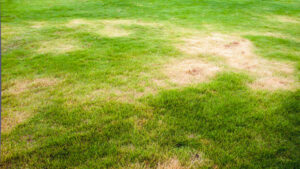
- Brown patches that do not respond well to watering or fertilizer
You can also try a couple of simple at-home checks:
- Screwdriver test: Push a screwdriver or similar tool into the soil. If it is very hard to push in a few inches, the soil is likely compacted.
- Shovel or trowel test: Dig out a small plug. Look for dense, tight soil with shallow roots and a thick, matted thatch layer at the top.
If those tests show hard soil or shallow roots, it is a good sign you should schedule a more detailed review from a professional core aeration service.
Matching Aeration to Weather, Water, and Lawn Care Plans
Picking the right week can matter almost as much as picking the right season. For best results, aeration should line up with:
- Mild daytime temperatures, not extreme heat or cold
- A forecast without heavy storms or long dry stretches
- Slightly moist soil, not bone-dry or muddy
When the soil has a bit of moisture, the aerator pulls out clean plugs that break down quickly on the surface. That helps topdress the lawn naturally and keeps damage to the turf to a minimum.
Core aeration works especially well when it is part of a larger lawn care plan. Timing it alongside other services can boost the results:
- Overseeding is often done right after aeration so seed can fall into the fresh holes.
- Fertilization can be planned soon after, feeding the roots as they expand into those open channels.
- Weed control needs more care. Certain weed control products should be timed so they do not interfere with new seed or freshly stressed turf.
Water is another key part. Before aeration, a light watering a day or two ahead can soften dry soil. After aeration, regular, gentle watering helps:
- Keep the soil from drying out
- Support new root growth
- Help new seed germinate, if you overseed
Mowing can resume once the lawn has had a short recovery period and the grass blades have lifted back up. The plugs on the surface will gradually break down and return organic material to the soil.
Schedule the Right Aeration Window for Your Lawn
As spring shifts toward early summer, many Bucks County homeowners start thinking about how their lawns will handle the coming heat and foot traffic. This is the ideal time to look closely at your turf and soil and decide whether aeration should fit into your lawn plan now or wait until early fall.
A local professional core aeration service like Jamison Lawn Care brings the right equipment, plus experience with our area’s soils and microclimates. That means we can match your lawn’s current condition to the best season, soil moisture level, and weather window, and tie aeration into a full plan that includes mowing, fertilization, weed control, and more for a healthier, thicker yard.
Give Your Lawn Stronger Roots And Healthier Growth
If your yard looks thin, compacted, or tired, our team can help restore it with our professional core aeration service. At Jamison Lawn Care, we use the right equipment and timing to open up your soil so water, air, and nutrients reach the roots where they are needed most. We will walk you through what to expect, recommend any follow-up care, and schedule service at a time that works for you. Ready to get started or have questions about your lawn’s specific needs? Simply contact us today.