Patchy Grass Is Your Lawn’s SOS Signal
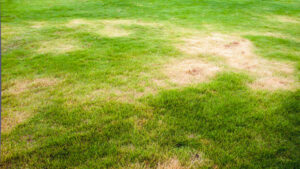
A patchy lawn is annoying. You water, you feed, you mow on time, yet the grass still looks thin and tired. Some spots are almost bare, while other areas look okay, and weeds start popping up in every open space.
For many yards in Bucks and Montgomery County, the real problem is not the fertilizer. It is what is happening under your feet. When the soil is packed down tight, grass roots cannot breathe, drink, or grow the way they should. Over time, that leads to weak turf, more weeds, and poor drainage.
This is where a professional core aeration service works like a reset button. By opening up your soil, it helps your lawn recover from heavy foot traffic, harsh winters, and our clay-heavy local soils. In this article, we will explain how soil compaction works, how to spot it, why aeration fixes it, and when it makes sense to bring in a lawn care expert.
How Soil Compaction Chokes the Life Out of Your Lawn
Soil compaction happens when soil particles get pressed tightly together. On a lawn, that pressure usually comes from:
- Regular foot traffic from people and pets
- Lawn mowers and other equipment
- Kids playing in the same areas over and over
- Freeze and thaw cycles that are common in Pennsylvania
When soil is compacted, the spaces between the particles get squeezed. Those tiny spaces are where air, water, and nutrients move down into the root zone. Without those open paths, the grass roots stay shallow. Shallow roots cannot handle heat, dry spells, or heavy use very well.
Compaction often shows up as:
- Thin turf that never seems to fill in
- Water that runs off the surface instead of soaking in
- Hard, cracked soil that is tough to push a screwdriver or shovel into
In much of Bucks and Montgomery County, we see dense, clay-heavy soils mixed with newer development and lots of hard surfaces. All of that puts extra pressure on the ground around homes and businesses. That is why core aeration is such an important part of a strong lawn care program here. It gives your soil a chance to breathe again.
Patchy Spots, Puddles, and Weeds: Signs You Need Aeration
A lawn rarely shouts, but it does send some clear warning signs when the soil is too tight. Patchy grass is one of the biggest ones. You might notice:
- Bare or thin areas that do not improve even after feeding
- Uneven color, with some spots pale or dull compared to others
- Areas that feel spongy in one place and rock hard in another
There are also functional clues. When soil is compacted, water has a harder time soaking down to the roots. Instead, you may see:
- Puddles that linger after rain or watering
- Water running off onto sidewalks, driveways, or into the street
- A thick thatch layer at the surface that seems to keep building
Another sign is how your lawn handles the first warm spells of late spring. If it browns quickly or looks stressed while other lawns are still green, compacted soil could be part of the problem.
Weeds also love compacted, thin turf. In the weakest spots you often see:
- Dandelions
- Clover
- Crabgrass and other grassy weeds
These weeds move in where grass is struggling. They take advantage of every bare patch and every thin section of lawn.
For cool-season grasses common in our area, early to mid-spring is often an ideal time for core aeration. The grass is waking up, growing new roots, and ready to spread into those fresh openings in the soil long before summer heat and heavy use arrive.
Why Core Aeration Works When Fertilizer Alone Fails
When a lawn looks weak, many people reach for more fertilizer or more seed. But if the soil is compacted, those products sit near the surface instead of getting down where the roots live. It can feel like you are doing everything right and wasting time and money.
A professional core aeration service solves the problem at the source. Using a machine with hollow tines, small plugs of soil and thatch are pulled out of the lawn and left on the surface. This creates thousands of little channels in the ground.
Those open channels allow:
- More oxygen to reach the roots
- Water to soak in deeply instead of pooling
- Nutrients to move into the root zone where the grass can use them
As the plugs break down, they help improve the soil structure. The process also helps break up thatch and supports the tiny soil organisms that keep your lawn healthy. Over time, this means:
- Deeper, stronger roots
- Thicker, more even turf
- Better results from the same fertilizer and weed control
Many homeowners worry when they see the little cores left on top of the lawn after aeration. That is normal and actually helpful. Rain, mowing, and time will break them down. In the weeks after aeration, it is common to see better color and density as the grass fills in the new spaces.
DIY Aeration vs. Calling a Local Lawn Care Expert
It is possible to rent a core aerator and try to do the work yourself. But most people are surprised by how heavy and tiring the machines are. There is also a learning curve in making sure you cover the whole yard evenly without missing sections.
A local lawn care team will look at:
- Lawn size and layout
- Slope and drainage patterns
- Soil type and thatch level
- Shade, sun, and traffic areas
This helps them set the right timing, pattern, and depth for aeration. It reduces the risk of uneven results or skipped spots that stay compacted.
There are also safety and quality benefits when hiring professionals. Commercial-grade equipment typically pulls more consistent cores and penetrates deeper than smaller rental units. A trained crew also knows how to work around irrigation heads, utility lines, and delicate landscaping to avoid damage.
Another advantage is combining services at the right time. Core aeration pairs very well with overseeding, fertilization, and weed control. Done together, these steps can give your lawn a full renovation from the soil up, tuned to the conditions we see in Bucks and Montgomery County.
Make Patchy Lawns a Thing of the Past This Spring
Patchy grass, stubborn bare spots, puddles after rain, and a yard that burns out too fast are all signs that your soil may be compacted. When that happens, feeding and watering alone will never give you the thick, green lawn you want. Core aeration opens the soil, strengthens the root system, and sets the stage for healthier growth all season.
With the ground softening and grass waking up in spring, it is a smart time for homeowners and property managers to plan aeration before the stress of summer. When core aeration is paired with a thoughtful plan for fertilization and weed control, your lawn can grow thicker, greener, and more resilient, so those patchy spots finally become a thing of the past.
Get Started With Your Project Today
Give your lawn the relief it needs from soil compaction with our professional core aeration service. At Jamison Lawn Care, we use proven techniques and quality equipment to help your grass develop deeper roots and stay healthier throughout the season. If you are ready to improve your yard’s color, thickness, and resilience, reach out so we can recommend the right plan for your property. Have questions or want to schedule an appointment soon? Simply contact us and we will follow up promptly.