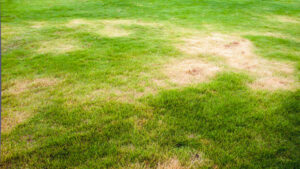
Weeds are one of those lawn problems that show up when you least expect them. In Warminster, they tend to sneak in as seasons shift and the ground thaws out. If the lawn isn’t protected ahead of time, spring can bring more weeds than grass. Lawns that appear thick and healthy in the colder months can quickly change as weeds find small openings once temperatures begin to rise.
That’s why it helps to know the difference between pre-emergent and post-emergent weed treatments. Timing plays a big role in getting the right results. Homeowners often consider a weed control service in Warminster during late winter to stop weeds before they take hold. Making the right choice early on can keep your lawn healthier all season long. By acting early, any head start you can get allows grass to grow stronger roots before weeds have a chance to crowd them out.
What Are Pre-Emergent and Post-Emergent Weed Treatments?
Pre-emergent weed treatments are made to stop weeds before you ever see them. These are used when weed seeds are just starting to wake up in the soil. Once they sprout and start breaking through the surface, pre-emergents don’t work. They create a barrier in the soil that blocks new weed growth from pushing out of the ground. This preventive barrier helps keep your grass in control before unwanted plants start competing for nutrients, water, and sunlight.
Post-emergents do the opposite. Instead of stopping new growth, they go after the weeds you can already see. These work by sticking to the leaves and moving into the plant to stop it from growing any more. Some post-emergents are better for broadleaf weeds like dandelions, while others target grassy weeds like crabgrass. It’s important to choose the right type for the weeds currently present in your yard.
Both are useful depending on the time of year and the type of weeds your lawn is dealing with. We usually use pre-emergents to block the first wave and post-emergents to handle weeds that slip through later. Being familiar with the stages of weed growth is a key part of an effective weed control plan.
When to Use Each Type of Treatment
In Warminster, late winter is right around the time to think about pre-emergent weed control. That short window just before soil temps start rising is key. If you wait too long, weeds like crabgrass can start growing, and at that point, a pre-emergent won’t do much. Soil temperature is often the best indicator, and monitoring weather trends will give you a better sense of when to apply pre-emergent products for your grass type and lawn size.
Post-emergents come into play when weeds are already visible. If you start seeing clumps of clover or early signs of chickweed, a post-emergent treatment can help knock them back before they spread. Acting quickly with post-emergents limits the chance for these weed patches to take over entire areas of turf before you notice.
February weather in Pennsylvania can be tricky. Some days feel like spring and others feel like January all over again. That makes timing harder to judge on your own. Cold snaps can delay weed germination, while a warm week might kick it off early. Watching the weather and the lawn closely helps decide if now’s the moment to go with one treatment or the other. If the winter has been especially harsh, local soil temperatures may differ from previous years.
Gardeners and homeowners often track soil temperature with inexpensive thermometers or rely on professional services that keep up with local trends. Knowing exactly when to apply treatments can make all the difference in keeping a lawn healthy as the seasons change.
Common Lawn Weeds in Warminster and How They Respond
Not all weeds respond the same way to every treatment. Knowing which types are common locally helps match the problem to the solution. In Warminster, we often run into:
• Crabgrass, which is easier to stop with a pre-emergent before it sprouts in the spring
• Dandelions, which pop up quickly once the weather warms, and respond well to post-emergent treatments
• Clover, which can be sneaky and spread fast during warmer months, usually needs a post-emergent application to manage
A good weed control service in Warminster will usually look at the stage of the weeds in your yard and choose the right product. Sometimes, both are needed at different points in the season to get full coverage. For example, once crabgrass emerges, a post-emergent may be necessary for scattered patches that broke through the pre-emergent barrier.
Weed control is not just about identifying species but understanding their growth cycles and how they interact with the grass present. Lawn care professionals typically assess each yard for shade, soil type, and prior weed problems to determine the best approach. This level of attention means solutions feel more personalized, and you won’t waste time or product on treatments that won’t make a difference.
Why Timing and Lawn Conditions Matter
The best treatment won’t do much if it’s used at the wrong time or in the wrong way. If a pre-emergent is applied too late, the weeds have already broken through the soil. If a post-emergent is used when it’s too cold or during a dry spell, it might not absorb into the weed properly.
Lawn conditions have a lot to do with this. A few things that affect how treatments work include:
• Soil temperature (pre-emergents work only if the ground is warming, but not too warm)
• Soil moisture (dry soil can block treatments from getting where they’re needed)
• Lawn stress (weakened or dormant grass may not recover well from heavy treatments)
Before choosing a treatment, check if the ground is soft, the grass is starting to green up, or if weeds are already visible. These signs can help point to the right kind of product without having to guess. Monitoring soil and grass health over the winter gives you an advantage in early spring, especially before the growing season fully starts.
You may also want to observe which areas of your yard stay cooler or take longer to dry out. These zones might be more prone to weed outbreaks and require special attention when applying weed control products. Keeping records of what worked best last year can serve as a useful guide as conditions change over time.
Clear Next Steps for a Weed-Free Lawn
Choosing between pre and post-emergents isn’t about picking the better one. It’s about using the right one at the right time. Each plays a role, and both are part of a lawn’s year-round defense against weeds.
Even with that basic knowledge, yards in Warminster don’t all follow the same patterns. The slope, shade, soil type, and how the lawn handled winter can all affect what comes up first. What works for one lawn may not work across the street. Paying attention to your lawn’s unique traits and flexibility in treatment timing contributes to better results over time.
Getting a head start in late winter helps give your lawn more control as the weather warms up. Stopping weeds early is easier than trying to fix a lawn full of them. With a little planning now, spring can look a lot greener and cleaner. If your yard has struggled with certain weeds in the past, addressing these issues early with targeted applications provides an extra layer of insurance that makes thick, healthy grass much more likely.
Determining the right treatment for your lawn this season can be confusing, but we take the guesswork out of the process by understanding how quickly weeds can overrun a yard and how weather and winter wear affect each landscape. With a well-timed application and the right product, we help protect your lawn before problems spread. Homeowners in Warminster can count on our weed control service in Warminster to keep timing on point and weeds at bay. Contact Jamison Lawn Care to schedule your early-season lawn check.