Stop Blaming Aeration for Your Thinning Lawn
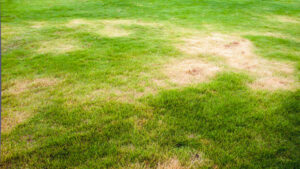
When you pay for aeration, you expect your lawn to look thicker and healthier, not more bare and patchy. Many Bucks County homeowners feel discouraged when they see thin spots a few weeks after the plugs are pulled. It is easy to blame the aeration, but in most cases, the real problem is everything happening around it.
A professional core aeration service is meant to set your grass up for long-term success. In our Pennsylvania climate, it often takes a full growing season for you to see the real payoff, especially if overseeding is part of the plan. The first few weeks can actually look a little rough while the lawn recovers.
There are a few big reasons lawns keep thinning even after aeration: heavy clay soil, poor timing, weak watering and mowing habits, and missing or mismanaged fertilization and weed control. Our local clay-heavy soils, hot summers, and cold winters make these issues even stronger. When you understand how each one works, you can finally get the thick, green turf you want instead of fighting the same thin spots year after year.
How Bucks County Soil Can Sabotage Your Aeration Results
In Bucks and Montgomery County, a lot of yards sit on compacted, clay-heavy soil. Clay holds water, but it also presses tight around the roots. When that happens, grass struggles to breathe, take in water, and pull nutrients from the soil. Even after aeration, the lawn can still thin out if the underlying soil is not improved.
One quick pass with a light, rental machine often does not go deep enough to break up years of compaction from kids, pets, or commercial traffic. Shallow holes close up fast, and the roots never really get a chance to spread. That is why a professional core aeration service that pulls deep plugs makes such a difference.
On top of compaction, many lawns also deal with:
- Low organic matter in the soil
- Poor microbial activity that slows natural breakdown of thatch
- Soil pH that is too acidic or too alkaline for grass to thrive
- Hardpan layers where roots hit a “wall” and stop growing
DIY spike tools or sandals push soil sideways instead of removing cores, which can actually make compaction worse. Commercial aeration machines lift real plugs out of the ground and open channels for air, water, seed, and nutrients. For severely compacted yards, we often recommend repeated annual or even semiannual aeration to slowly build better soil structure over time, sometimes along with topdressing or lime when needed.
Timing Mistakes That Keep Grass From Filling In
Timing is one of the most common reasons lawns stay thin after aeration. In our area, most lawns are cool-season grasses. They grow best in early spring and early fall, when temperatures are mild and moisture is more steady.
Here is what can go wrong with timing:
- Aerating too early in spring while the soil is still cold
- Aerating too late in fall so new roots do not mature before winter
- Skipping overseeding on a lawn that is already thin or worn out
- Running into a heat wave, frost, or weeks of heavy rain right after aeration
When aeration is done too early in spring, the soil may not be warm enough to wake up the grass or germinate new seed. If it is pushed too far into late fall, the young plants may not have time to establish a strong root system before freezing weather. In both cases, you end up with bare spots that never fill in.
Aerating without overseeding is another issue. If your turf is already thin, punching holes alone will not magically create new grass. You still need high-quality seed in those openings, and it should match the grass types that perform well in Bucks and Montgomery County. A professional core aeration service plans around local weather patterns and grass growth cycles so new seed has a real chance to take hold.
Watering and Mowing Habits That Undo Aeration Benefits
Even when the soil and timing are right, daily habits can undo all the good work of aeration. Watering is a big one. New grass seed and young seedlings need consistent moisture near the surface. Many homeowners either sprinkle too lightly or wait too long between waterings.
Common watering problems include:
- Frequent, very short watering that only wets the top half-inch of soil
- Long gaps that let the surface dry out and kill tiny roots
- Heavy soaking that leaves standing water and invites disease
- Not adjusting watering when the weather suddenly turns hot or windy
Right after aeration and seeding, you want the top layer of soil to stay evenly damp, not bone dry and not sloppy. As the new grass grows, you can slowly water less often but more deeply, which trains the roots to grow down instead of staying shallow.
Mowing habits matter just as much. Cutting grass too short, also called scalping, shocks the plants and leaves the soil exposed. Mowing newly seeded areas too early can pull young plants right out of the ground.
Better mowing habits include:
- Keeping mower blades sharp
- Setting your mower higher so the grass shades the soil
- Waiting to mow new grass until it reaches a safe height
- Changing mowing patterns to reduce tracks and wear
Heavy foot traffic, parked vehicles, and dogs running the same paths will quickly compact the soil again, especially right after aeration. Small changes, like moving play areas or using walkways more often, help keep those fresh channels open so roots can spread.
Fertilization, Weed Control, and Hidden Lawn Stressors
Aeration on its own is only part of the story. New grass needs the right food at the right time. If fertilization is skipped, the lawn will struggle to thicken. If the lawn is over-fertilized, tender seedlings can burn or grow weak, fast top growth with poor roots.
Weed control can also play a big role. Some weed products, especially certain pre-emergent herbicides, can keep grass seed from sprouting if they are not timed correctly. That is one reason lawns sometimes look patchy or bare after aeration and seeding, even though the holes are there and seed was applied.
On top of that, there may be hidden stress you cannot see at a glance, such as:
- Shade from mature trees that limits how much grass can actually grow
- Competition from tree roots stealing water and nutrients
- Insect feeding below the surface
- Fungal disease spots that look like simple thinning
- Chronic drought stress in areas that are hard to water
Aeration cannot fix these issues alone. What usually works best is a targeted plan that blends aeration, overseeding, balanced fertilization, selective weed control, and, when needed, disease or insect treatments. A trained lawn care technician can spot these stress factors during a visit and adjust your care plan so each aeration cycle moves the lawn in the right direction.
Turn Thinning Turf Into a Thick, Resilient Lawn
If your yard keeps thinning after aeration, it is rarely the core process at fault. The real reasons are almost always compacted clay soil that needs repeated work, poor timing for our local grass types, watering and mowing habits that stress young plants, and fertilization or weed control choices that hold new growth back.
When those pieces are handled correctly, a professional core aeration service becomes one of the strongest tools you can use to build a thick, resilient lawn in Bucks and Montgomery County. Even small changes, like raising your mower height or protecting high-traffic areas after aeration, can have a big impact over the next growing season.
At Jamison Lawn Care, we focus on how all these factors work together. We look at your soil, your grass type, your shade and traffic patterns, and your current routine, then build a plan that helps each aeration cycle actually move your lawn forward instead of backward. With the right timing and follow-up, thinning turf can turn into a lawn you are proud to see every time you pull into the driveway.
Get Started With Your Project Today
If your lawn is compacted or thinning out, we are ready to help restore its health and vigor. Schedule our professional core aeration service and let Jamison Lawn Care give your grass the strong root system it needs to thrive. We will walk you through timing, pricing, and what to expect so you feel confident before any work begins. Have questions or need a custom recommendation for your yard size and condition? Simply contact us and we will help you plan the next steps.