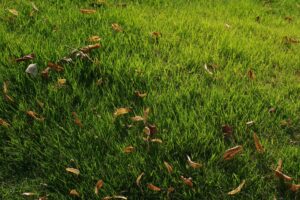
Late winter can be a strange in-between time for lawns. The grass might still look flat and quiet, but some pests are already starting to stir underground. Lawn grubs are one of the big ones to watch. Even before we see the first bursts of green in spring, these insects are starting to move. If they wake up too early, they can start feeding before we even know they’re there.
Grub control services are especially helpful during this stretch, when timing matters more than ever. Catching early activity can mean the difference between patchy grass in spring or smooth, healthy growth. Knowing what grubs do this time of year and what signs to look for gives us a head start before the real work of the season begins.
Why Lawn Grubs Come Back in Late Winter
Grubs do not go away completely when winter rolls in. They dig deeper into the soil when it gets cold, where it is warmer and they can survive until spring. Once the soil starts softening, even just a little, they drift closer to the surface and begin feeding again. That often happens weeks before any lawn growth is obvious.
In Bucks and Montgomery Counties, Pennsylvania, winters can be unpredictable. Some years, February stays frozen. Other years, we get warmer streaks that jump-start grub activity earlier than expected. That early movement can catch people off guard. The grass is still recovering from dormancy, so any damage caused by grubs is less noticeable. By the time we see the dry patches or thin spots, they have already done their work.
Grubs stay hidden, feeding quietly on grassroots while temperatures are low. It is easy to miss the problem until the grass starts suffering from it.
Signs of Grub Damage Before Spring
By late February or early March, we may start seeing subtle clues that something underground is not right. The grass may not be actively growing yet, but grubs could already be feeding.
Some early warning signs we look for include:
• Small birds pecking or digging at the ground more than usual
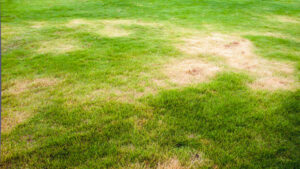
• Uneven patches of color, where grass looks thinner or duller
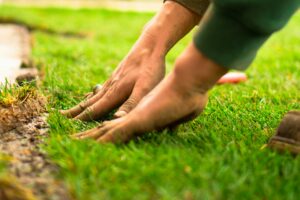
• Areas of sod that feel loose or peel back easily like a rug
These clues can be easy to overlook, especially when yards still look dull or brown from winter. Regular check-ins are helpful this time of year, even just a slow walk to spot odd patches or spots birds seem interested in. We sometimes find grub damage after heavy snow melts, especially in shaded areas that stay cold longer and take more time to dry out.
When spotted early, these signs give us a chance to act before grubs get deeper into their feeding cycle and do lasting harm.
How Professionals Handle Grubs in the Late Winter Season
When it comes to grub damage in late winter, timing matters more than anything. Our focus turns to limiting their activity before they hatch in larger numbers. Preventing the next round of feeding is just as important as treating what has already started.
Here is what we usually focus on at this point in the season:
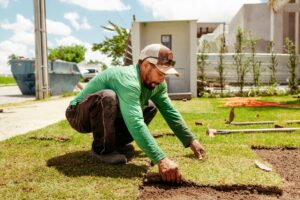
• Soil inspections once the ground is soft enough to work with
• Grub-specific treatments that target current activity without stressing the lawn
• Adjustments to soil health so grass roots can recover and regrow
Soil condition plays a big role in both grub behavior and grass recovery. Lawns that are compacted or low in nutrients can take more damage and come back more slowly. Along with targeted control, we often factor in ways to support healthy root growth early, which helps the lawn bounce back when spring warmth arrives for good.
Treatments at this stage need to be carefully chosen, since not all products work when temperatures are low. That is why expert timing can make such a difference during these weeks when activity is happening just below the surface.
How to Set Your Lawn Up for Success This Spring
Spring has not quite settled in yet, but there are a few small things we can check to help our yards start the season strong. This is the time to clear the way and prep before growth kicks in completely.
Some light early-season tasks to consider include:
• Raking away built-up leaves, twigs, or heavier debris that could trap moisture
• Inspecting high-traffic areas for signs of thinning or early damage
• Watching for bird activity or digging that might point to grub feeding
Checking now helps us mark out trouble spots before grass growth covers them up. This kind of early prep also helps our scheduled care stay more consistent throughout the season. Grub control services are most effective when applied before large hatches or widespread feeding events. Catching problems in February or March means fewer visits later on.
Lawn feeding and seeding plans can hold off until the soil is fully thawed and daytime warmth sticks around. For now, it is about staying alert and setting a strong base for what comes next.
Stay Ahead of Lawn Trouble Before It Starts
We know this tail-end of winter does not always feel like the start of lawn season, but it is often when the groundwork is really laid. Grubs can get an early jump, especially in areas like southeastern Pennsylvania where winter temperatures sometimes drift above normal. Knowing that gives us a chance to respond before any real damage sets in.
The earlier we catch signs of grub damage, the better our chances of helping the lawn recover quickly once the growing season starts. Late winter might not be the most obvious time for lawn work, but it is a smart time to check what is happening below the surface. Small steps now lead to stronger, more even results once the grass starts waking up for real.
When signs of damage or bird activity appear in your yard, now is a smart time to consider early grub control services. Acting before the big spring warm-up can save your lawn from problems that sneak in when it is still too cold to see much growth. We keep a close eye on soil conditions around Bucks and Montgomery Counties so we can respond when grubs are most active. A quick check now can help prevent bigger patches and give your grass a better chance to grow full and healthy. Give Jamison Lawn Care a call to schedule your season-ready inspection today.