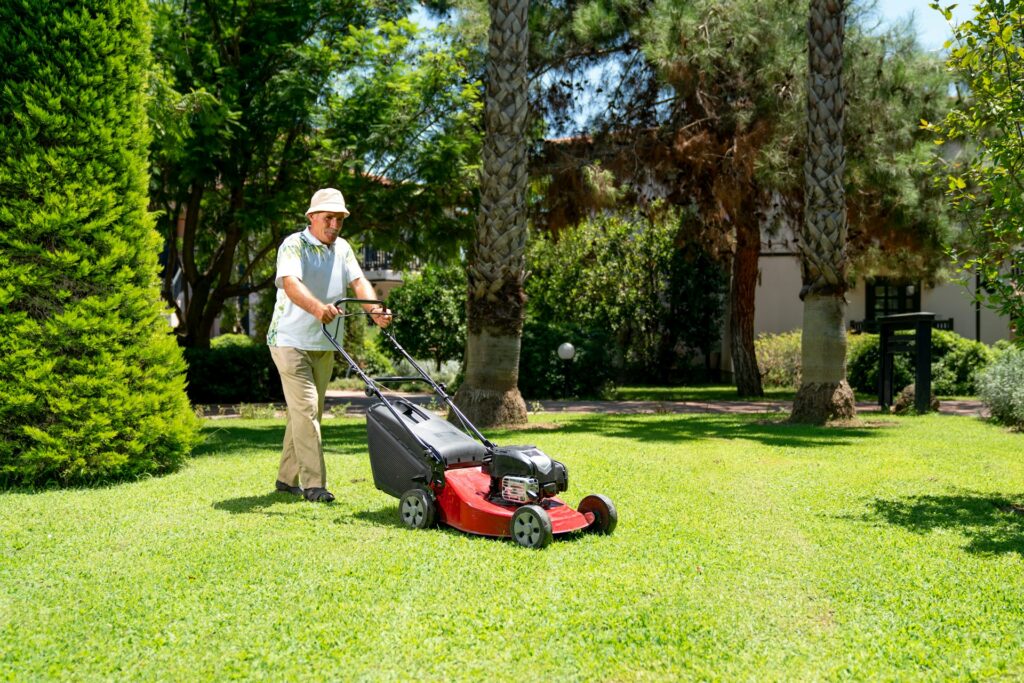
Spring is full of fresh starts, and the yard is no exception. Everything that slept through winter starts to wake up, grass, trees, flowers, and garden beds. But with so many things to think about, trying to manage different lawn and garden jobs at the same time can get overwhelming fast. If you’re using a lawn care service in Warminster, it helps to have a simple way to keep everything running on time without one task messing up another. Jamison Lawn Care provides services like lawn mowing, fertilization, weed control, core aeration, and seeding throughout Bucks and Montgomery Counties, so planning ahead helps line up those visits in a smooth, seasonal order.
Whether the goal is greener grass, fewer weeds, or better-looking flower beds, spring requires planning. Lawn mowing, fertilizing, aerating, and planting all need different windows to be most effective, and some services can’t overlap without causing problems. Instead of guessing which one comes next, a step-by-step plan can keep things easy. Let’s walk through how to get organized before spring ramps up.
Start with a Spring Yard Review
Before anything else gets scheduled, take a good look around the yard as winter ends. Snow and cold weather often leave hidden problems behind. Doing a walkthrough helps to spot these early and gives a sense of what’s needed most. Finding issues now avoids future delays in your spring plan.
Here’s what we focus on during a spring yard check:
- Look for areas where grass has thinned out or turned bare
- Check garden beds for leftover leaves, branches, or other debris
- Watch for weeds that are already starting to grow
- Inspect shrubs and trees for snapped limbs or cold damage
Once everything has been walked, it’s easier to sort yard jobs into “do now” and “can wait.” Some things, like branch removal or bed cleanup, need to happen before planting or fertilizing can begin. Noticing these early avoids layering tasks in a way that slows everything down. It only takes a short time, but it’s one of the most helpful steps for staying organized.
Build a Simple Service Calendar
Spring comes in stages, and the lawn responds to each one a little differently. That’s why splitting the season into sections can help. Not all lawn work happens right after the snow melts. Some services depend on the ground warming up, while others need to happen before plants start growing.
We usually think of spring in three parts: early, mid, and late. Planning around these makes organizing easier:
- Early spring is good for cleanup, light pruning, and planning
- Mid-spring is prime time for seeding, applying fertilizer, and addressing weeds
- Late spring often works better for planting flowers, mulching, and regular mowing
Tracking jobs by timing keeps us from stacking tasks that could cancel each other out. For instance, we always wait to fertilize until after mulch has been laid in garden beds. Otherwise, the mulch can block the nutrients from reaching the plants. A calendar keeps guesswork out of the way and helps make sure nothing gets missed.
Making a calendar or chart with rough dates for each major job helps. You can add windows for each service and adjust as the season changes. This step gives you a clear overview, and you can update it if any weather shifts occur or plans change. Being flexible with timing always pays off in the long run.
Keep Tasks in a Logical Order
Some lawn care services just don’t mix well when done back to back. If aeration comes one day and mowing happens too soon afterward, new holes could get damaged or compacted again. That’s why the order of jobs matters just as much as the jobs themselves.
To keep things in the right flow, we aim for this:
- Schedule aeration before overseeding so seeds fall into the holes
- Hold off on mowing until a few days after fertilizer or seeding
- Handle flower bed work before applying turf treatments nearby
This way, each task helps the next one instead of getting in the way. Nothing feels more frustrating than doing something early, only to have another job undo the work. Grouping services that fit together saves time and helps the yard get into shape faster.
Think through the results of each job before scheduling the next one. For example, aeration creates holes so seeds settle deeper into soil, but mowing too soon can flatten these. Similarly, waiting a couple of days after fertilizer or seeding allows nutrients or seeds to settle instead of being scattered by a mower. Each piece supports the next step.
Communicate With Service Providers Early
Many people in Warminster plan spring home improvement projects or events alongside yard care. If we know one big thing is already scheduled, like a deck rebuild or outdoor gathering, it helps time lawn services so they don’t overlap or create a mess.
Reaching out early allows everyone to stay on the same page. Here’s how planning goes smoother when we talk with providers in advance:
- Share family schedules that need to be considered
- Let them know which services are being handled by others
- Ask for help with laying out a timeline that avoids conflicts
Even just having one conversation can prevent headaches weeks later. Yard work often connects to many different tasks, and having clear timing helps each step move along without problems.
It’s especially useful to mention any important dates, like parties or family gatherings, so the lawn is looking its best on those days. Your provider can help find windows that won’t disrupt other work and keep things flowing smoothly through the busy spring season.
Save Room for Flexibility
Spring weather around Warminster doesn’t always follow the calendar. One week could bring sun and mild air, and the next might have a sudden chill or heavy rain. These changes make it harder to lock in exact days for outdoor work, especially when temperatures shift quickly.
That’s why we always recommend building in flex time between big services. It gives enough space to reschedule one job without pushing everything else out. Weather holds a lot of influence in spring, so it’s best to expect changes right from the start.
Here’s how we plan with flexibility in mind:
- Don’t stack services too close together in the schedule
- Leave a few open spots between jobs in case rain or cold changes the plan
- Be okay with moving a date if the yard isn’t quite ready yet
The main focus is giving each part of the lawn and garden what it needs depending on the day, not just the month. That only works if the schedule makes room for change. Rescheduling, when needed, prevents rushed work and keeps the results consistent as spring unfolds.
Even if rescheduling feels inconvenient, keeping some margin helps make sure jobs like fertilizing or mowing land at the best moment. Adjustments are normal in spring, and letting yourself be flexible means your yard care stays effective, even if the weather is unpredictable.
Give Your Yard the Best Head Start
The sooner everything falls into place, the sooner the yard starts to bounce back. When spring lawn work is done in the right order and with the right space between jobs, it sets the whole yard up for smoother growth. Grass can grow thicker, weeds stay low, and plants have a better chance to thrive through the season.
Planning ahead saves more than time. It keeps the lawn looking steady from the first mow to the last edging. It is one of the best ways to make the most of a professional lawn care service in Warminster, especially as early spring turns into active growing season. Starting the season organized makes a difference you’ll see all spring long.
Spring is a great time to get organized, but even the best plans work better when timed with the right care. If you’ve had trouble lining everything up in past years, we can help you stay ahead before things get too crowded on the schedule. From early prep to ongoing upkeep, knowing when and how to layer services can make a big difference. If you’re ready to get more from your lawn care service in Warminster, contact Jamison Lawn Care and we’ll help make spring smoother from the start.