Fresh sod should feel like an instant win. One day the yard is bare or patchy, the next day it is green and full. So it can be frustrating to see yellow spots, thinning grass, or loose pieces only a few weeks later. Many homeowners and property managers in Bucks and Montgomery County see this and are not sure what went wrong.
Lawn insects are often the hidden reason. They can move in fast and damage new sod before the roots are fully set. In this article, we will explain why insects love fresh sod, how to tell if bugs are the problem, what to do right away, and when a professional lawn insect control service is the safest way to save your new lawn.
Why Fresh Sod Attracts Lawn Insects So Quickly
New sod is soft, tender, and full of moisture. For many common lawn insects, that is like putting out a buffet. Grubs, chinch bugs, and sod webworms that are common in eastern Pennsylvania can all show up and start feeding in a short time.
Here is why fresh sod is such an easy target:
- Tender new roots are easier for insects to chew
- Moist soil under new sod is a good home for grubs and larvae
- Thatch and rolled edges give bugs places to hide
- Root systems are shallow, so any damage hits harder
New sod is already under stress. It is trying to:
- Build new roots
- Adjust to new soil
- Handle changes in sun and shade
- Deal with new watering habits
Because of that stress, it does not bounce back like a mature lawn. A small amount of chewing, sucking, or tunneling that an older lawn might survive can quickly cause yellow or brown patches in new sod. Spring installations also often line up with insect feeding periods in our area, so timing does not always work in your favor.
Spotting Insect Damage Before Your Sod Fails
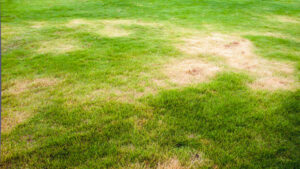
The faster you spot insect damage, the more of your sod you can save. Many homeowners at first think they overwatered or underwatered. While water issues can look similar, insect damage has a few signs of its own.
Watch for:
- Irregular yellow or brown areas, not neat shapes
- Thin, chewed, or ragged blades of grass
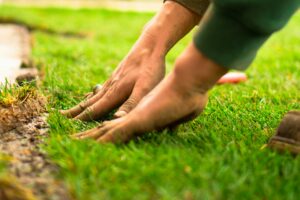
- Sections that feel spongy, loose, or lift like a carpet
- Birds, skunks, or other wildlife picking or digging for grubs
You can try a few simple at-home checks to tell insects from other problems:
- Tug test for grubs: Gently lift the corner of a bad patch. If the sod peels up easily and you see white, C-shaped grubs in the soil, insects are likely the cause.
- Soap flush test for surface insects: Mix a small amount of mild dish soap with water and pour it on a small test area. If chinch bugs or sod webworms are present near the surface, you may see them come up.
- Water pattern check: If only high spots dry out while low spots stay soft, water may be the main issue. If both high and low spots show damage, insects may be involved.
Those first four to six weeks after sod installation are the most important. During that time, roots are trying to grab on. If insects get ahead of the process, whole sections may die and need to be replaced instead of repaired.
Fast Recovery Steps When Insects Hit New Sod
Once you suspect insects, speed matters. Waiting to see if it clears up on its own usually leads to larger dead patches.
Here are smart first steps:
- Gently lift edges or corners in problem areas and look for grubs or larvae
- Remove heavily infested pieces that are clearly failing
- Water deeply but not too often to help roots grow down, not sit in soggy soil
- Avoid mowing too short, taller grass handles stress better
Treating insects can be tricky for new sod. Products that are fine on older lawns may be too strong or used at the wrong time for a new one. Homeowners sometimes try:
- Light spot treatments on small, confirmed problem areas
- Following the product label exactly, especially on timing and watering
But there are limits to what is safe to do alone. If:
- The damage is spreading fast
- You are seeing many grubs or insects in multiple spots
- You are not sure what insect you are dealing with
then it is usually better to bring in a professional lawn insect control service. After treatment, recovery steps can help your sod fill in:
- Overseed thin areas with a grass type that matches your sod
- Topdress with a thin layer of compost or quality soil to improve contact
- Re-roll any lifted sections so the sod sits tight against the soil
- Keep foot traffic off weak spots until the roots grab again
With the right help, many lawns can be brought back without replacing every roll of sod.
Professional Lawn Insect Control That Protects New Sod
When we inspect new sod with insect issues, we look at the whole picture, not just the visible damage. That includes the type of grass, soil conditions, watering habits, and the specific insects present. Correct identification is key, because grubs, chinch bugs, and sod webworms all behave differently.
A local lawn insect control service can:
- Confirm whether insects are the true cause
- Identify the insect and its life stage
- Choose products and timing that fit Bucks and Montgomery County conditions
- Treat in a way that protects young roots as much as possible
In our lawn care work, insect control works best when it is paired with a complete plan, such as:
- Correct mowing height so the grass can build thicker growth
- Thoughtful fertilization that feeds new sod without burning it
- Watering guidance that supports deep roots, not shallow ones
- Extra services like seeding, sod repair, and cleanups to restore curb appeal
When all these pieces work together, your sod is stronger and less likely to suffer major damage if insects show up again.
Secure Your Sod Investment with Local Expert Help
Fresh sod is a real investment in your property. Waiting until big patches are totally dead often means tearing up and starting again. Acting early, especially with help from a local lawn insect control service that knows our area, often saves more of the original sod and avoids repeat problems.
At Jamison Lawn Care, we work with homeowners and businesses throughout Bucks and Montgomery County to keep new lawns healthy and green. Our team can inspect your sod, address insect issues, and build a lawn care plan that helps your grass stay thick, rooted, and ready to handle what nature throws at it.
Protect Your Lawn And Enjoy a Pest-Free Yard
Take the next step toward a healthier, more comfortable outdoor space with our targeted lawn insect control service. At Jamison Lawn Care, we carefully inspect your property and treat the problem at its source so you can feel confident spending time in your yard. If you are ready for a customized plan that fits your lawn’s needs, contact us today to schedule your service.