Spring weather in Pennsylvania doesn’t always follow the rulebook. In places like Warminster, it can feel like all four seasons show up in one week. It might be sunny and mild on Monday, then suddenly freezing and rainy by Friday. All these ups and downs make it hard to decide when to start lawn care, and even harder to time fertilizer the right way.
That’s why we take a close look at how winter fades into spring. It’s not just about flipping a page on the calendar. For lawns waking up from cold soil and short days, the weather plays a big part in how and when to treat them. If you’re thinking about getting lawn fertilization service in Warminster, it helps to know why spring can be so unpredictable and what to watch for before applying anything.
Understanding Pennsylvania’s Spring Weather
If you live around here, you already know how fast the weather can shift from week to week. In March and April, cold nights often hang around longer than we expect. One day brings clear skies, then the next brings steady rain or even a light snow, depending on how winter wants to leave. It’s not unusual to get a warm spell that tricks some plants into sprouting early, only for a surprise cold snap to slow them down again.
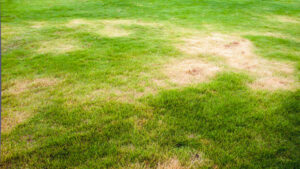
Lawns notice these swings. Some plots stay dormant longer, while others get fooled by a few sunny days. We’ve seen grass look ready to grow in mid-March, only to stall when the soil stays too cold down below. That’s why treating a lawn too early just because the air feels warm doesn’t always give you a head start.
Instead of following the calendar, we follow patterns. When we keep an eye on how the ground reacts to local conditions, we can better protect the grass as it transitions out of winter. In places like Warminster, that timing can change each year, depending on how fast the temperatures rise and stay steady.
Local conditions can be tricky, with each spring bringing its own challenges. Sometimes, March offers a taste of summer early in the month, prompting growth, only for cooler weather to suddenly return. Other times, winter lingers longer than expected, creating uncertainty for planning lawn tasks. In Pennsylvania, being patient and observant is key to choosing the optimal time to start lawn care routines.
Why Fertilizer Timing Matters for Healthy Grass
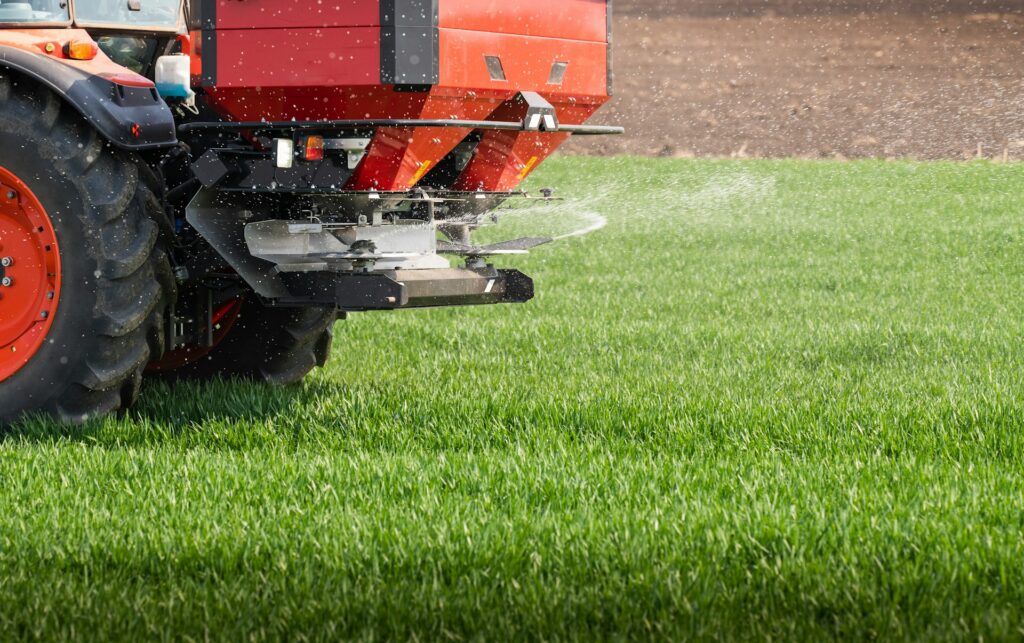
It’s tempting to want your lawn to green up fast once the snow’s gone, but fertilizer doesn’t work well if it hits the ground before the grass is ready. Beneath the surface, roots only start absorbing nutrients once the soil warms up enough to wake them. If fertilizer gets spread too early, most of it just sits there, or worse, it can wash away in early spring rains.
Here’s what happens when the timing is off:
- Fertilizing too early means nutrients might not reach the roots effectively
- Waiting too long allows weeds to start growing before the grass strengthens
- Using high-nitrogen blends too soon can lead to blade growth without deep root support
That’s why matching treatment to ground temperature is better than just choosing a date. The fertilizer needs to connect with your soil’s natural rhythm. In Warminster, that soil rhythm changes year to year. Some springs come early. Some take their time. That’s why a well-timed approach is more helpful than guessing based on habit.
The goal is for fertilizer to work with the grass as soon as it is ready to grow. Warmer soil allows roots to take in nutrients and water efficiently. When applications are properly timed and the ground is receptive, your grass will develop healthy roots before encountering stressful heat or drought in summer. This process not only supports blade growth but also builds a robust underground network to withstand seasonal stresses.
Common Mistakes Homeowners Make in Early Spring
One of the most common missteps we see is jumping the gun. A few warm afternoons, and suddenly people are pulling out the spreader. The problem is, those early warm-ups often don’t last. When fertilizer is put down too soon, the grass might not be in gear yet and can’t use those nutrients properly.
Other spring habits can cause issues too:
- Skipping pre-emergent treatments because it “feels” too early, missing the window for managing weeds
- Misjudging early blooms from shrubs or trees as signs the lawn is ready
- Spreading heavy doses of nitrogen before the root zone is active
Mistiming treatments doesn’t just waste products. It can set the grass back. When energy goes into growing the top blades before root systems are strong, the lawn becomes more vulnerable later in the season. That early push can lead to shallow roots and uneven growth once things warm up for good.
Many homeowners become eager once days warm up and the snow melts. It’s easy to see a green tinge and assume the lawn is ready for a full feeding. Yet, rain patterns and chilly nights linger well into spring, making timing harder to judge based simply on air temperature or surface appearance. Paying attention to soil temperature, rather than rushing, helps avoid missed windows for both fertilization and weed treatment.
Timing fertilizer is not the only challenge. Sometimes, people start mowing or watering before the grass requires it. Early mowing of dormant grass can cause ruts and stress before the lawn is able to repair itself. Likewise, unnecessary watering during cool, damp weeks can promote shallow root growth. Waiting for real signs of growth, not just calendar dates, is always best for long-term lawn health.
How Local Pros Handle Weather Swings
We don’t treat March like it’s the same every year. In fact, we’ve learned to expect something a little different each spring. A smart lawn fertilization service in Warminster follows local soil temps, not just the forecast. Some years, we might hold off a week or two if the ground stays colder longer. Other years move faster, especially when late February brings in a few warm spells with sun and mild wind.
Real care comes from knowing when timing matters more than routine. Here’s how we adjust for these swings:
- Watch short-term patterns, not just one warm day
- Feel the ground for cold or moisture before choosing treatments
- Switch between slow-release and quick-release formulas depending on the lawn’s readiness
Flexibility makes all the difference. If a freeze comes after a warm stretch, we pause. If things dry out quickly after stormy weeks, we check for signs that roots are active and ready. Treating early spring lawns in Warminster requires attention day by day, not just week by week.
Local professionals check temperature at the soil level and look for subtle signals that grass is coming out of true dormancy. This hands-on approach ensures that applications are not wasted and that grass gets nutrients when it is most capable of absorbing them. By using the right blend of fertilizers, and only applying them when the weather supports growth, lawns receive what they need for both quick greening and solid root development.
Adapting to local weather is essential. Some years call for patience as chilly nights persist well into spring, while other seasons allow for an earlier start. Pro lawn care teams make these timing decisions based on their close observations, not just by using the same schedule year after year.
A Healthier Spring Yard Starts with Smart Timing
Spring weather isn’t always kind or clear. Some years it teases us with warm air before snapping back to cold. In Warminster, those swings are part of the season. That’s why we focus less on what the calendar says and more on what the soil and sky are doing.
Good fertilization comes down to matching treatments to the moment, not racing the season. Watching for the right cues in nature makes the difference between a lawn that struggles through spring and one that grows strong from the roots up. When we stay patient and read the signs, we help lawns wake up gently and stay healthy through the season ahead.
Waiting for indicators like steady nighttime temperatures or the return of certain spring perennials can help guide your schedule. A patient approach rewards you with a richer, more resilient turf as the year goes on. Commitment to timing over tradition can prevent wasted product, reduce runoff, and give your grass the best possible start coming out of dormancy.
Your lawn in Warminster might be feeling the impacts of unpredictable spring weather and uncertain treatment timing. We help you make sense of the season because the timing of fertilizer matters more than most realize, especially with uneven early weather. Our approach follows what the soil is doing now and not just the forecast for next week. Discover our thoughtful lawn fertilization service in Warminster and learn why timing makes all the difference. Reach out to Jamison Lawn Care to plan ahead for a healthier yard.