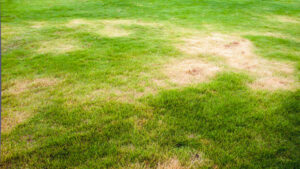
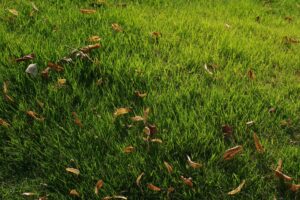
Heavy, sticky soil is more common than you might think across Montgomery County. Many homeowners don’t realize they’re dealing with clay-rich soil until drainage problems start showing up. Puddles that linger, soggy footprints long after a rain, or grass that just won’t thrive like it should are all signs that the soil might be holding too much water. Spring is an ideal time to take a closer look since the cold weather is fading and lawn growth is starting again.
When lawn restoration in Montgomery County is needed, we often find the main cause is poor drainage tied to clay-heavy ground. Getting it fixed early gives grass roots a better shot at growing strong through the season ahead. It’s not just about looks either. Healthy soil means less stress for your lawn during hot, dry spells later in the summer.
Why Clay Soil Acts the Way It Does
Clay soil is made up of very small particles that pack tightly together. That tight structure blocks water from soaking deep into the ground. Instead, it tends to sit at the surface and slowly move through, if it drains at all.
This creates two problems at once. First, water builds up quickly during storms or snow melt and doesn’t drain away fast enough. That can cause pooling around low spots or near walkways. Second, because the soil stays soaked, air gets pushed out, which makes it harder for roots to breathe and grow. Grass and plants need both water and air in the root zone. Too much water for too long leads to soft roots and patchy grass.
In early spring, this problem is easy to spot. The ground may start warming up, but lots of properties still hold moisture from melting snow and winter rain. Since clay soil retains that water longer than other types of soil, lawns in Montgomery County may have trouble bouncing back from winter dormancy if drainage is poor.
Signs Your Lawn Might Be Struggling with Drainage
Some signs of drainage issues are easy to miss during the winter months, but once March rolls around and the sun gets higher, we can start spotting them. Watch out for changes like these across your yard:
• The soil feels spongy or mushy in some areas, even days after the last rain
• Water pools in certain spots instead of running off or soaking in
• Grass stays thin or brown, even where snow has melted and sunlight reaches regularly
• Moss starts growing in shaded or low-lying areas
Grass may grow slowly or struggle altogether in ground that stays overly wet. This is especially true after a mild winter, when a few warm, sunny days show clear differences between healthy patches and areas under stress. If you see spotty grass coverage or uneven greening as the weeks go by, drainage could be part of the problem.
What Helps Improve Drainage in Clay-Dense Yards
Fixing drainage doesn’t always mean tearing everything up. Some small changes can help the soil work better without a full rebuild. The right approach depends on how compacted the soil has become, how flat or sloped the property is, and what type of grass is trying to grow.
Here are some of the tools we often recommend for helping water move through clay soil more easily:
• Core aeration breaks up tight soil and opens space for water, air, and nutrients
• Making small grading changes helps guide rainwater away from the home or back yard
• Mixing compost or other organic material into the top few inches of soil can improve texture and support stronger root systems
One of the biggest benefits of aerating in early spring is that it lets grass roots stretch while the soil is still soft. Grading work is easier before the ground dries out, and adding organic matter now gives roots more time to settle before the heat picks up. Together, these steps set your lawn up for smoother, greener growth over the warmer months.
When Lawn Restoration Becomes the Best Option
Not all issues can be solved by adjusting a layer of soil. When drainage problems come back year after year, or when big parts of the lawn stay patchy even after aerating or reseeding, that’s when full restoration might be needed.
Lawn restoration in Montgomery County gives us the chance to rebuild worn or compacted areas from the ground up. Spring is one of the best times to start this process because the soil is becoming workable again and new grass can take root with support from natural rain and milder temperatures.
We usually look at several key things during a yard walkthrough. That includes where water collects, how easy the soil is to dig through, and how the grass is doing in different areas of the lawn. From there, we can build a plan that includes fixing grade issues, adding better soil material, or resetting damaged patches to make sure everything grows more evenly.
It’s not just about adding new seed. True restoration helps solve the root of the problem, not just the symptoms. And when done early in the season, there’s time for new grass to get strong before next winter.
Give Your Lawn a Healthier Start This Spring
Dealing with clay soil takes patience, but once we figure out how water moves through the yard, we can finally start solving what’s been holding it back. The sooner we spot problems, the sooner we can help your lawn grow thicker, greener, and stronger.
So if certain parts of your yard always feel soggy, or if the grass never really fills in after winter, there’s a good chance the soil could use some help. With a clear plan, we can beat the drainage issues and set up the lawn for better days ahead. Spring is the right time to act, while the ground is still waking up and changes will have the most impact.
If this spring feels like the right time to finally get ahead of your yard’s drainage problems, we’re here to help turn things around. Many of the most common issues we see across Montgomery County lawns start with heavy, compacted soil that needs a better path for water and root growth. When those wet spots keep coming back or the grass never seems to catch up, it might be time for something more complete, like a full lawn restoration in Montgomery County. We can take a look at what’s going on beneath the surface and build a plan that gives your grass the chance to grow stronger this season. Contact Jamison Lawn Care to get started.