Avoid Costly Yard Restoration Regrets This Spring
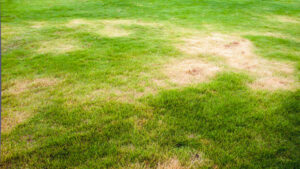
Yard restoration in Bucks County sounds simple at first. The snow melts, the ground softens, and we all want a fresh, green lawn again. But our freeze-thaw winters, soggy early springs, and clay-heavy soil make things tricky. Lawns can come out of winter patchy, compacted, and tired right when everyone is eager to fix them.
That is when well-meaning DIY projects often backfire. Working the lawn too early, guessing on fertilizer, or using the wrong grass seed can create more damage than the winter did. Instead of a thick lawn by summer, you end up fighting bare spots and weeds for the rest of the year. At Jamison Lawn Care, we spend a lot of time helping Bucks and Montgomery County homeowners recover from these common mistakes.
Our area has its own set of challenges: heavy clay, poor drainage in low spots, shade from mature trees, and salt damage along roads and driveways. When yard restoration is done the wrong way, those problems get worse, not better. Here are the top mistakes we see every spring and what we recommend instead for a healthier, greener lawn.
Rushing Spring Cleanups Before the Lawn Is Ready
The first warm day hits and everyone wants to grab a rake. But if the ground is still soft, soggy, or partly frozen, you can do real damage fast.
Working too early can:
- Compact wet soil so roots cannot breathe
- Tear out healthy grass along with dead thatch
- Create ruts from foot traffic and equipment
You know the lawn is ready when:
- The ground feels firm underfoot, not squishy
- Your shoes stay mostly clean, not muddy
- A small shovel test shows soil that is crumbly, not sticky and saturated
A better early cleanup looks gentle:
- Start by picking up sticks, leaves, and branches by hand
- Wait until the lawn is mostly dry before raking
- Use a light, flexible rake and go in several directions instead of scraping hard in one pass
For the first mow, aim for cool-season grass height that protects stressed turf. In our area, that usually means not cutting shorter than about 3 inches. Make sure mower blades are sharp, and never remove more than one-third of the grass height in a single mowing. Short, scalped grass struggles to recover and gives weeds a head start.
Ignoring Soil Health Before Seed and Fertilizer
Many yard restoration plans start with a trip to the store for fertilizer and seed. The problem is, if you skip soil testing, you are only guessing at what your lawn really needs.
Soil tests help you understand:
- pH balance, which controls how nutrients are used
- Nutrient levels, so you know if you are low on key elements
- Whether lime or other corrections are actually needed
In Bucks and Montgomery County, lawns often sit on compacted, slightly acidic soils. When you pour on fertilizer without correcting the base issues, you may burn grass, feed weeds, or wash nutrients into local streams and storm drains.
Too much nitrogen early in the season can:
- Push quick top growth with weak roots
- Increase disease pressure when summer heat arrives
- Leave your lawn more stressed, not stronger
A soil-first approach to yard restoration is smarter. We recommend:
- A basic soil test before picking products
- Core aeration for compacted areas so air, water, and nutrients can reach the roots
- Adding organic matter where needed to improve structure and drainage
When it is time for fertilizer, choose slow-release products meant for cool-season grasses and always follow label directions. Timing and rate matter just as much as the brand on the bag.
Using the Wrong Seed or Skipping Seeding Altogether
Another common mistake is treating seed as an afterthought. At the same time, many people grab a random bag of seed from a big-box store and hope for the best.
Mismatched grass types can lead to:
- Thin, uneven growth across the yard
- Sun-loving grasses failing in shaded areas
- Shade mixes burning out in full, hot sun
Fertilizer cannot fill bare soil with grass. If a lawn is thin, it usually needs overseeding. Common seeding errors include:
- Skipping seed and expecting fertilizer alone to fix bare patches
- Spreading seed on hard, unprepared soil so it never makes real contact
- Seeding too late in spring when heat is coming and germination drops
For our local cool-season lawns, we often look to blends like tall fescue and Kentucky bluegrass, matched carefully to sun or shade conditions.
Good seedbed prep makes a big difference:
- Loosen the top half inch of soil where you plan to seed
- Remove rocks, clumps, and heavy thatch
- Make sure seed has direct contact with soil, not just sitting on thatch
After seeding, keep the area evenly moist, not soaking. Light, frequent watering at first, then adjust as the new grass grows.
Overwatering, Underwatering, and Bad Watering Habits
Watering can help yard restoration, but only when done at the right time and in the right amount. Early in the season, many Bucks County yards already get plenty of moisture from rain. Adding more water on top of that can invite fungus and shallow roots.
Signs of overwatering include:
- Mushy or squishy spots when you walk
- Yellowing grass that pulls up easily
- Moss or fungal patches in shady, damp areas
Signs of underwatering after seeding:
- Seedbed drying out and turning light tan between waterings
- Cracked soil surface on sunny slopes
- New grass wilting or turning dull before it ever thickens
Timing matters. Evening watering leaves grass blades wet overnight, especially when nights are cool. That is the perfect setup for disease. Early morning watering is usually best, giving the lawn time to dry during the day with less evaporation.
For successful yard restoration:
- New seed needs light, frequent watering so the top layer of soil stays consistently damp
- As roots develop, shift to deeper, less frequent soakings to train roots to grow down
- Adjust for slopes, low spots, and shaded areas that stay wet longer or dry out faster
Each part of a property is a little different. A low, shady corner near mature trees might barely need extra water, while a sunny hill next to a driveway can dry quickly, especially where salt damaged turf over winter.
Skipping Professional Help When Problems Are Bigger Than DIY
There is a point where yard restoration turns into a bigger project than most homeowners want to handle alone. Some signs that DIY might not be enough include:
- Widespread bare or thin patches across most of the lawn
- Heavy thatch that does not break up with light raking
- Chronic drainage problems and standing water after every rain
- Recurring weeds and problem areas, even after your efforts
In Bucks and Montgomery County, we also see:
- Grading issues causing water to flow toward the house or pool
- Dense, compacted clay that resists normal tools
- Competition from roots of large, mature trees
A professional lawn and landscape team can look beyond the surface. Instead of just treating symptoms, we can:
- Check soil conditions, shade patterns, and drainage
- Identify pests or disease that may be holding the lawn back
- Build a realistic plan that blends yard restoration, ongoing lawn care, and landscape improvements
At Jamison Lawn Care, we work with residential and commercial properties throughout the area, and we see these patterns every season. When lawn care, landscape design, drainage fixes, and regular maintenance work together, you get longer-lasting results and a yard that is easier to enjoy and maintain.
Get Started With Your Project Today
If your lawn is thin, patchy, or tired-looking, we can help bring it back to life with professional yard restoration tailored to your property. At Jamison Lawn Care, we evaluate soil health, existing turf, and problem areas so we can restore your yard efficiently and correctly. Reach out today to talk with our team about your goals and schedule a visit, or contact us with any questions.