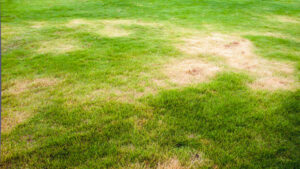
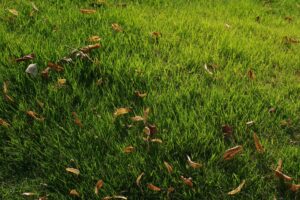
Early spring is a great time to give your grass a fresh start after a long winter. Once the snow is gone and the soil begins to warm up, your lawn starts waking up too. This makes March a key moment to step in and help it grow stronger before the thicker heat of summer arrives. One way to do that is through core aeration and seeding.
These two steps work better when they’re done together, especially in early spring. Aeration makes space in the soil for air, water, and roots, while seeding fills in the bare spots and gives the lawn a fuller, greener look. Timing really matters here. Done too late, the new seeds can struggle against weeds or dry soil. Done too early, the ground may still be too cold for seed to sprout. When the conditions are just right, we get the best results.
Why Early Spring Works Best
Lawn tasks tied to new growth always come down to timing. Right after the frost breaks but before grasses take off is a short but helpful window. That early stretch in spring creates natural advantages for both aeration and seeding.
The ground is typically softer thanks to leftover moisture from melted snow or winter rains. This helps the aeration process since the soil is easier to punch through without being too muddy or too dry. When lawns are aerated during this period, plugs come up clean, leaving air paths open for water and nutrients to soak in.
Sprinkling grass seed after that works even better when the temperatures are still mild. Cooler spring weather gives new grass seedlings time to grow deep roots before they have to deal with summer stress. Spring showers tend to come often, which means less chance of the soil drying out too fast.
Everything lines up just right this time of year to rebuild a lawn that’s thin or patchy from winter. By acting early, the lawn has plenty of time to establish stronger, thicker grass well before the hot days arrive.
What Core Aeration Does for Your Lawn
When soil gets packed down, grass struggles to grow. Heavy foot traffic, time, and nature all press the soil tighter and tighter, making it harder for water and nutrients to reach the roots. That’s where core aeration comes in.
This process involves removing small plugs of soil from the lawn to break up compaction. These open spaces allow air, water, and fertilizer to get deeper into the soil where roots live. That jump-starts healthier growth by giving roots room to stretch instead of fighting for space. Over time, these pockets also soften the overall soil structure.
Core aeration really helps in yards with clay-heavy ground or sloped areas where water runs off too fast. It’s one of the easiest ways to reset the soil without starting over. And even more than that, the holes left behind during aeration become the perfect landing spots for grass seed during overseeding.
How Overseeding Fills in Thin or Bare Spots
Once the lawn has been opened up through aeration, overseeding steps in to fill what’s missing. It’s not about starting from scratch. Instead, we’re giving the lawn a little extra help where old grass has thinned out or where patches didn’t survive the winter.
By adding fresh seed to an existing lawn, grass becomes thicker and more even. A fuller lawn isn’t just about looks either. The extra growth makes it harder for weeds to pop up and take over. When treated early in the season, those new grass types have a better chance of spreading out and finding light and water before crabgrass and other weeds do.
We usually use seed blends that match or improve what’s already in the yard. That might mean stronger grass types that handle shade better or bounce back faster after heavy use. Spring is an ideal time to introduce those new traits without shocking the soil or stressing the grass that’s already there.
Steps to Combine Aeration and Seeding for Best Results
Aeration and seeding work best when they follow a few simple steps. Timing matters, but so does prep work and follow-up. This is the order we typically follow when starting the season strong:
1. Trim the lawn shorter than usual to clear the way for machines and give seed better soil contact.
2. Remove leaves, sticks, or leftover debris from fall and winter.
3. Aerate the lawn while it’s soft but not soggy. The soil should be moist enough for plugs to lift easily.
4. Apply grass seed evenly across the lawn, paying extra attention to worn-out or bare areas.
5. Lightly water right away, then keep the soil damp with short, daily watering until seeds sprout.
The aeration holes pull the seed down into the soil, right where it needs to be. Added moisture helps the roots form and keeps the surface from drying out too quickly.
Common Mistakes to Avoid
Even with the best of intentions, problems can pop up if the timing or steps are a little off. These are some of the most common issues we see happen during core aeration and seeding in early spring:
• Seeding too early, when the ground is still cold, can delay or stop growth.
• Waiting too long allows weeds to grow first and compete with seedlings.
• Skipping watering or letting soil dry out hurts root growth during key early weeks.
• Picking seed that doesn’t match your soil type or grass conditions can make patches look uneven or fail to grow.
Each of these can be avoided by paying attention to weather signals, choosing the right seed type, and making sure water reaches new seeds regularly. Lawn care starts from the roots, so a careful approach early on helps avoid disappointments later.
A Stronger Lawn Starts with a Smart Spring Plan
When we combine aeration and overseeding during early spring, we’re helping the lawn grow from the ground up. Loosening compacted soil makes space for roots and lets air, water, and nutrients get deeper. Following with fresh seed brings new growth that fills bare patches and helps push back against weeds.
With the right steps and a little planning, early spring isn’t just a reset for your lawn. It’s the foundation for how it will stand up to warmer months ahead. A little effort now brings better results through summer and into fall.
At Jamison Lawn Care, we know how much early spring can shape the look and health of your lawn for the rest of the year. Pairing aeration with overseeding now gives your yard a head start before summer heat kicks in. Our approach to core aeration and seeding is designed to fill in thin spots and support deeper root growth. It’s one of the most effective ways to promote a thicker, greener lawn. Contact us to schedule a lawn evaluation and take the next step toward a stronger lawn this season.