Late-Spring Aeration Decisions That Protect Your Lawn
Core aeration can do a lot of good for your lawn, but only when the timing and conditions are right. Late spring in Bucks and Montgomery Counties can be tricky, because the weather can swing from cool and wet to hot and dry in just a few days. If you pull heavy cores at the wrong time, you can stress your grass instead of helping it.
In this guide, we will walk through how to tell if your lawn can safely handle late-spring core aeration, how soil moisture and heat risk come into play, and when it makes sense to bring in a professional core aeration service. We will also share smart alternatives like liquid aeration and spot aeration, plus how to set your lawn up now for a stronger fall aeration plan.
How Core Aeration Works and Why Timing Matters
Core aeration uses a machine that pulls small plugs of soil and thatch out of your lawn. Those open holes let air, water, and nutrients move more freely into the root zone. This helps relieve compaction from foot traffic and mowing equipment and encourages deeper, stronger roots over time.
The grass has to heal from all those holes, though. That is where timing matters. In spring, cool-season grasses are growing, but the window can be unpredictable. Soil can still be soggy from early storms, temperatures can jump quickly into summer-like heat, and roots are shifting from winter survival to active growth.
Fall is often more forgiving for cool-season lawns because conditions tend to support recovery and root development. For example:
- Soil is often moist but not soaked
- Air temperatures are cooler and more stable
- Grass is focused on root growth and recovery
Late spring sits in the middle. Conditions can be perfect one week and harsh the next. Before you roll heavy equipment across your yard, it pays to check what is happening under your feet.
Is Your Lawn Ready Now? Simple Soil and Moisture Checks
You do not need fancy tools to get a quick read on your soil. A few easy tests can help you decide if late-spring core aeration is a good idea or something to delay. Try these quick checks:
Screwdriver test: Push a long screwdriver or soil probe into the ground.
- Slides in smoothly 3, 4 inches: soil is moist and not too compacted.
- Hard to push more than an inch: soil may be too dry or compacted.
- Goes in too easily and feels sloppy: soil may be overly wet.
Walking test: Walk across the lawn in a few areas.
- Feels firm but not rock-hard: usually a good sign.
- Spongy or squishy: soil is likely too wet to pull cores.
- Very hard with a dull “thud”: soil may be too dry and stressed for heavy aeration.
Once you have done those checks, compare what you are seeing to the general “green light” conditions. Ideal conditions for core aeration in late spring look like this:
- Soil is moist but not soggy
- Grass is actively growing and green
- • Daytime highs are warm but not consistently hot
- There are no large bare or thin spots that already look stressed
On the other hand, if the lawn already looks or feels stressed, core aeration can make things worse. Red flags that tell you to hold off include:
- Standing water after rain or irrigation
- Cracked, dusty, or very hard soil
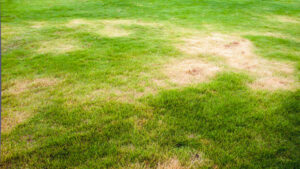
- Turf that looks thin, pale, or wilted
- Recently seeded areas that are not yet well rooted
If you are seeing any of those red flags, it is usually better to adjust your plan than to push ahead with full core aeration.
Heat Stress Risk in Late Spring Across Bucks and Montco
In our area, Bucks and Montgomery County, late April through June can bring a little bit of everything. Some weeks are cool with steady rain. Other times, you get a quick warm-up and a stretch of dry, sunny days. That swing is what makes late-spring aeration tricky.
Heat and moisture stress can combine with core aeration in a few rough ways:
- Soil plugs can dry out fast, leaving dusty, weak spots
- Open holes can speed up moisture loss in already dry areas
- Roots that were cut by the aerator have to heal under stronger sun and higher heat
If you time aeration right before a heat wave or during a dry spell, the grass has to recover while already under pressure. That is when a professional core aeration service can help, because lawn pros can fine-tune the work based on conditions rather than forcing a one-size-fits-all approach. For example, they can:
- Read local weather patterns and adjust timing
- Set plug depth correctly for your soil conditions
- Adjust how many passes are made
- Recommend the right follow-up care for your turf type
This kind of fine-tuning can mean the difference between a lawn that bounces back fast and one that limps into summer.
What to Do Instead of Full-Core Aeration Right Now
If your soil checks or the weather forecast tell you that late-spring core aeration is risky, you still have helpful options. You do not have to choose between “full aeration” and “do nothing.” Here are smart alternatives:
Liquid aeration
- Uses liquid products designed to loosen the soil profile over time
- Puts less mechanical stress on the lawn surface
- Works well for smaller lawns or areas where a large machine is not practical
Spot aeration
- Targets problem areas, not the whole yard
- Focuses on: high-traffic paths, play areas, corners by driveways, and spots where water tends to pool
- Limits disturbance while still easing compaction where you need it most
You can also support the lawn with complementary strategies that are gentler in late spring. These approaches help roots grow deeper and help soil stay more open, so when you do schedule core aeration, the lawn is better prepared:
- Light dethatching if there is a thin thatch layer
- Overseeding small bare patches at the seasonally correct time
- Adjusting watering habits so the soil is deeply soaked but not constantly wet at the surface
Planning a Smarter Fall Aeration Strategy Now
For most cool-season lawns in our area, early fall is usually the best window for full core aeration. Temperatures start to ease, rain can be more steady, and the grass naturally wants to grow roots and fill in. That makes recovery from core aeration smoother and often faster.
You can use late spring and summer to set the stage for a strong fall program by staying consistent with the basics of mowing, feeding, weed pressure, and watering. Key practices include:
- Keep mowing at the right height for your grass type, not too short
- Follow a steady fertilization plan that feeds the lawn without burning it
- Stay on top of weed control so weeds do not steal space from your grass
- Water deeply and less often so roots grow down, not just across the surface
By the time fall arrives, your lawn will be ready to take full advantage of a professional core aeration service and, if needed, overseeding. At Jamison Lawn Care, we help homeowners and property managers across Bucks and Montgomery Counties decide whether late-spring liquid or spot aeration makes sense now and how to map out a fall core aeration plan that fits their property and goals.
Give Your Lawn Stronger Roots And Lasting Curb Appeal
If your yard feels compacted or looks thin and tired, our team can help restore it with a targeted professional core aeration service. At Jamison Lawn Care, we use the right equipment and timing to open up the soil so water, air, and nutrients reach the roots where they matter most. Reach out today to tell us about your lawn, and we will recommend the best plan for your property or invite you to contact us to schedule service.