Protect Your Property Fast After the Storm Passes
Heavy rain can turn a good yard into a soaked, rutted mess in a single afternoon. In Bucks and Montgomery Counties, downpours often flood low spots, wash away mulch, and leave lawns spongy and stressed. What you do in the first 24 to 48 hours after the storm can make a big difference in how well your yard recovers.
Quick action helps stop problems like erosion, fungal disease, and packed-down soil that struggles to grow healthy turf. The goal is not to fix everything at once, but to protect what you have, spot damage early, and set up a smart yard restoration plan.
At Jamison Lawn Care, we work on local properties every day, so we understand Pennsylvania clay soils, drainage problems, and how water moves across real yards in our area. Below is a simple, step-by-step checklist that covers drainage checks, safe cleanup, soil compaction relief, reseeding timing, and erosion control, plus when it is time to bring in professional help.
First Safety and Damage Checks in the First 6 Hours
Before anything else, think about safety. Big storms can leave behind loose branches, slippery surfaces, and hidden hazards in standing water. Moving slowly and looking carefully will protect both you and your property.
Right after the rain stops, focus on:
Checking for:
- Downed or hanging branches in trees
- Unstable trees that are leaning or shifting
- Damaged fences, playsets, or sheds
Looking for standing water near:
- Electrical outlets
- Extension cords or lighting
- Outdoor equipment or fuel storage
Avoid walking in areas that are clearly soaked. Every step on saturated ground pushes water and soil together, which leads to compaction and long-term lawn stress.
Walk your property edges and higher spots first. Pay extra attention to:
- Low areas in the lawn where water collects
- Spots below downspouts
- Edges along driveways and walkways
- Any slopes where water may have cut small channels
Make note of:
- Washed-out mulch beds
- Exposed roots around shrubs and trees
- Floating or lifted edges of sod
- Fresh depressions or ruts from vehicles or equipment
Take quick photos or short videos of problem areas. This helps keep a record for insurance, and it also gives your lawn care team clear visuals so they can plan accurate yard restoration steps without guessing.
Managing Standing Water and Emergency Drainage
Standing water is more than just annoying. If it sits for days, it can smother turf roots, invite mosquitoes, and raise the risk of fungal disease, especially in our humid spring weather.
In the first 24 to 48 hours, your goal is to help water move off the surface safely and gently. Some simple steps include:
- Clearing leaves and debris from gutters and downspouts so water can flow away from the house
- Checking that downspout extensions are pointing toward areas that can drain, not toward your foundation
- In small puddles, carefully opening shallow channels with a hand tool to guide water toward an existing drain or a lower, more open area
If you use a pump or wet/dry vac in a problem area, stay alert around any electrical cords or outlets, and do not stand in water while handling powered tools.
There are clear signs that quick fixes are not enough, such as:
- The same spots puddling after every storm
- Water flowing toward or against your foundation
- Saturated slopes that feel unstable or keep washing out
These issues often point to compacted subsoil or grading that does not match the way water actually moves on your property. In those cases, a professional drainage assessment can help. Long-term solutions can include options like French drains, dry wells, or adjusted grading as part of a broader yard restoration and landscape design plan.
Repairing Soil Compaction and Protecting Lawn Roots
Soil compaction happens when wet soil is pressed tightly together by feet, vehicles, or equipment. The tiny spaces that normally hold air and water get squeezed, so roots struggle to breathe and grow.
After a big storm, you may notice:
- Turf that feels squishy on top but does not seem to soak in more water
- Tire tracks or deep footprints that do not bounce back
- Puddles that linger long after higher areas have dried
- Grass that looks flattened, dull, or stressed
In the first 48 hours, think gentle care, not heavy repair. Helpful early steps include:
- Staying off heavily saturated areas as much as possible
- Lightly raking matted grass to lift blades so air and light can reach them
- In small problem spots, using a garden fork to poke shallow holes and wiggle slightly to open channels for air and drainage, without tearing the turf
Once the lawn has had time to dry and firm up, deeper work can start. Longer-term solutions often include:
- Core aeration to remove small plugs of soil and open the root zone
- Overseeding after aeration to thicken the lawn
- Light topdressing with compost to build soil structure and improve drainage
Timing matters, and local conditions in Bucks and Montgomery County guide when these services will help your yard most. A professional team can plan aeration and overseeding around the right soil moisture and grass growth windows.
Reseeding Timing and Erosion Control After Heavy Rains
It is tempting to throw seed on bare spots right after you see damage, but seeding straight into mud almost always leads to seed washing away or rotting. On the other hand, ignoring bare soil for too long lets weeds move in and makes erosion worse.
Think of yard restoration in this order:
1. Stabilize the soil
2. Then plan reseeding or new sod at the right time
Start by:
- Lightly raking and firming disturbed areas once they are no longer waterlogged
- Adding a small amount of topsoil to low spots or exposed roots when needed
- Gently shaping the surface so water sheds, not pools
For many cool-season lawns in our region, the best windows for larger reseeding projects are often late summer into early fall, when soil is warm but air is cooler and weeds are less aggressive. That does not mean you do nothing now. It means you prepare the site and protect it.
Right away, you can help control erosion with:
- Straw blankets or erosion-control mats on slopes or freshly repaired areas
- Adjusting downspouts so they do not dump water on bare soil
- Re-edging washed-out beds so they have a clear border again
- Replacing lost mulch with a heavier, shredded mulch that locks together better than light chips
A well-planned landscape design can greatly reduce future erosion problems. Deep-rooted shrubs, groundcovers on hills, stone edging, and properly graded beds all work together so water slows down and spreads out instead of cutting channels through your yard.
When to Call the Pros and Secure a Healthier Yard
Some storm damage is light and mostly cosmetic. Other times, what looks like a minor puddle or a few bare patches is actually a sign of deeper problems with soil health or drainage.
It is a good idea to bring in professionals if you notice:
- Standing water that keeps coming back in the same spots
- Deep erosion channels or washed-out slopes
- Large thin or bare patches of lawn that do not start to recover
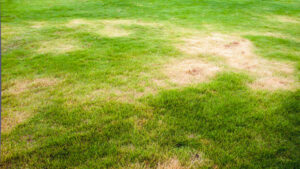
- Grass turning yellow, gray, or patchy after staying wet
- Any damage you are not sure how to handle safely or without making it worse
A customized post-storm yard restoration assessment can include checking soil condition, looking at drainage patterns, and planning the right mix of fertilization, reseeding or sod work, and insect or disease control. For homeowners and property managers in Bucks and Montgomery County, acting between storms and before high summer heat sets in helps keep small issues from turning into full yard replacement later.
At Jamison Lawn Care, we focus on practical steps that fit your specific property, from drainage improvements to lawn repair and long-term maintenance. One rough storm can actually become a chance to correct old problem areas, strengthen your turf, and shape a yard that handles the next big rain with far less stress.
Get Started With Your Project Today
If your lawn is thin, patchy, or tired-looking, we are ready to bring it back to life with professional yard restoration. At Jamison Lawn Care, we evaluate your turf, soil, and drainage so we can recommend the right approach for lasting results. Let us create a plan that fits your yard, your schedule, and your budget. To talk through your options or schedule service, simply contact us.