Summer Drought Decisions That Can Save Your Lawn
Continuing to fertilize during a Pennsylvania summer drought might sound like a good way to help your grass, but it can easily do the opposite. When your lawn is already thirsty and stressed, the timing and type of fertilization suddenly matter a lot more. In Bucks and Montgomery Counties, summers can bring long stretches of heat and very little rain, which puts your lawn under real pressure.
Our team works with local lawns every day, so we see how quickly they can go from green to tired and brown. We understand our area’s weather patterns, soil, and common turf types, and how they react when the rain shuts off. Here, we will walk through when to pause fertilization, when it may still be safe, and how to adjust your summer lawn routine when drought hits so you can protect the yard you have invested in.
How Drought Stress Changes Your Lawn’s Needs
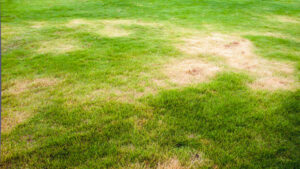
A summer drought in southeastern Pennsylvania usually means weeks of hot, sunny days with very little rain. The ground dries out, the air pulls moisture from the soil faster, and some towns may put water restrictions in place. Your soil starts to feel hard, and dust may appear in spots that used to be thick with grass.
You will often see clear signs in common cool-season grasses like Kentucky bluegrass, perennial ryegrass, and tall fescue:
- Color fades from deep green to tan or brown
- Footprints or mower tracks linger in the turf instead of springing back
- Grass blades curl, wilt, or look grayish and dull
In this state, your lawn is not trying to look pretty. It is trying to survive. Instead of pushing new growth, the grass slows down, saves water, and may slip into dormancy. That is a normal response, but it changes what your lawn can handle.
During drought, basic cultural practices often matter more than products. The big difference makers are things like:
- How often and how deeply you water
- How high you set your mower
- How much foot traffic you allow on the grass
If these are off, fertilizer alone will not fix the problem, and it can even make it worse.
When Fertilizer Helps vs. Hurts in a Summer Drought
Fertilizer is basically food for your lawn. It feeds growth, color, and root development. But growth needs water. When the soil is dry and the grass is stressed, pushing more growth is like asking a tired runner to sprint up a hill without a drink.
Putting fertilizer on a severely drought-stressed lawn can:
- Burn grass blades, especially with quick-release products
- Stress shallow roots that are already struggling for moisture
- Leave nutrients sitting unused in the soil, where they can wash away when rain finally comes
That does not mean all summer fertilization is bad. There are times when a light feeding can still help. It depends less on the calendar and more on the actual conditions in your yard.
Fertilizer might still be reasonable if:
- Your lawn has an irrigation system that provides steady, deep watering
- Temperatures are warm but not extreme, especially at night
- The grass is only mildly stressed or just starting to show light color change, not fully brown and crunchy
The intensity of the drought, current soil moisture, and the overall health of your turf should guide the choice. When in doubt, it is usually safer to hold back rather than push a stressed lawn past its limits.
Key Signs You Should Pause Lawn Fertilization
There are some clear red flags that tell you it is time to pause fertilization until moisture improves. You should strongly consider holding off if you notice:
- Widespread browning across large areas of the yard
- Grass that feels crunchy or straw-like underfoot
- Local watering restrictions that limit how often or how long you can irrigate
- Soil that stays hard and dry even after a watering cycle
In many Bucks and Montgomery Counties lawns, cool-season grasses will go dormant in heat and drought. Dormant grass often looks dead, but the crown and roots can still be alive underground. Piling fertilizer on top of a dormant lawn does not wake it up; it just puts more stress on the parts that are still hanging on.
Both dormant and truly dying turf usually need rest and moisture first, not more feeding. If your property relies only on rainfall and has no sprinkler system, it is often smarter to delay summer fertilization until the weather pattern shifts and you see consistent rain again.
A local lawn care professional can check soil moisture, identify your turf type, and look at how deep the stress really goes. That kind of site-specific view is the best way to decide if a scheduled treatment should move forward or be postponed.
Smarter Summer Lawn Care Moves During Drought
Even if you pause fertilizer, you still have ways to help your lawn ride out dry weather. A few careful changes to your routine can make a big difference.
Adjust your mowing habits:
- Raise the mower height so grass blades are taller and shade the soil
- Keep mower blades sharp to avoid tearing and frayed tips
- Avoid cutting off more than one-third of the grass blade at a time
- Skip mowing days if the lawn is extremely dry and brittle
Watering habits also matter when you are allowed to water:
- Water early in the morning so less moisture is lost to evaporation
- Aim for deeper, less frequent watering rather than quick daily sprinkles
- Avoid watering in the middle of the day when heat is highest
There are also safe lawn care tasks to focus on when the soil is dry and the grass is stressed, such as:
- Light spot weed control in problem areas
- Trimming and edging along beds and walkways
- Gentle cleanup of leaves, branches, and debris
- Planning for fall aeration, overseeding, and fertilization when conditions improve
A thoughtful PA lawn care plan can line up these tasks with actual local weather, not just preset dates, so your lawn gets help when it can really use it.
Plan Your Next Fertilization Step with Local Pros
Pausing fertilization during a drought does not mean your lawn should miss feeding altogether. For many Pennsylvania yards with cool-season grasses, one of the best windows for stronger fertilization is early fall, when temperatures cool down and rainfall is usually more steady. At that point, the lawn can use the nutrients to repair summer damage and build stronger roots before winter.
A local team that understands Bucks and Montgomery Counties conditions can look at your property, your turf mix, and how your yard is used, then design a fertilization schedule around real drought risk and weather patterns. That way, you are not locked into a rigid plan that ignores what the sky is doing.
If you are unsure whether your lawn is too stressed for fertilizer or just needs a lighter touch, it helps to get a professional evaluation. A careful review of current drought conditions, soil health, and turf density can show the safest timing and type of fertilizer for your next step so your lawn can recover and stay healthier in the long run.
Get Strong, Reliable Lawn Care Results This Season
If you are ready for a lawn that looks healthy and well maintained without sacrificing your weekends, our team at Jamison Lawn Care is here to help. Explore our full PA lawn care services to see how we can keep your yard looking its best all season long. Have questions or want a custom plan for your property? Simply contact us and we will walk you through the next steps.