Stop Hidden Lawn Damage Before It Spreads
Grubs can quietly ruin a lawn long before big brown patches show up. These tiny, white, C-shaped beetle larvae live in the soil and chew on grass roots, so you usually do not see them until the damage is already done.
In Bucks and Montgomery County, grubs are a serious threat because our lawns often look thick and healthy on top while grubs are feeding below the surface. Many homeowners do not realize there is a problem until the grass turns thin, patchy, or starts attracting hungry animals. By that point, a lot of root damage has already happened.
We want to help you spot the early, easy-to-miss signs so you can act before the problem spreads. We will walk through the subtle changes in your turf, the warning signs from wildlife, simple checks you can do, and when it makes sense to bring in local grub control services. Late spring through early fall is prime time for grub activity in Pennsylvania, so summer is the season to pay close attention.
Why Grubs Love Bucks County Lawns
Our area has the kind of lawns grubs love. Most yards in Bucks and Montgomery County have cool-season grasses, like fescue, rye, or bluegrass. These grasses grow best with regular watering and feeding, which also creates soft, rich soil that is perfect for grub development.
Here is a simple look at the grub life cycle and how it lines up with the year:
- Mid to late summer: Adult beetles lay eggs in sunny lawn areas
- Late summer into fall: Eggs hatch, grubs feed heavily on grass roots
- Winter: Grubs move deeper into the soil to stay safe from the cold
- Spring: Grubs move back up and feed again before turning into adult beetles
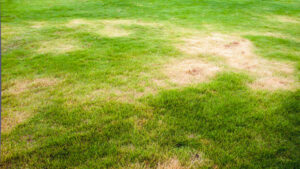
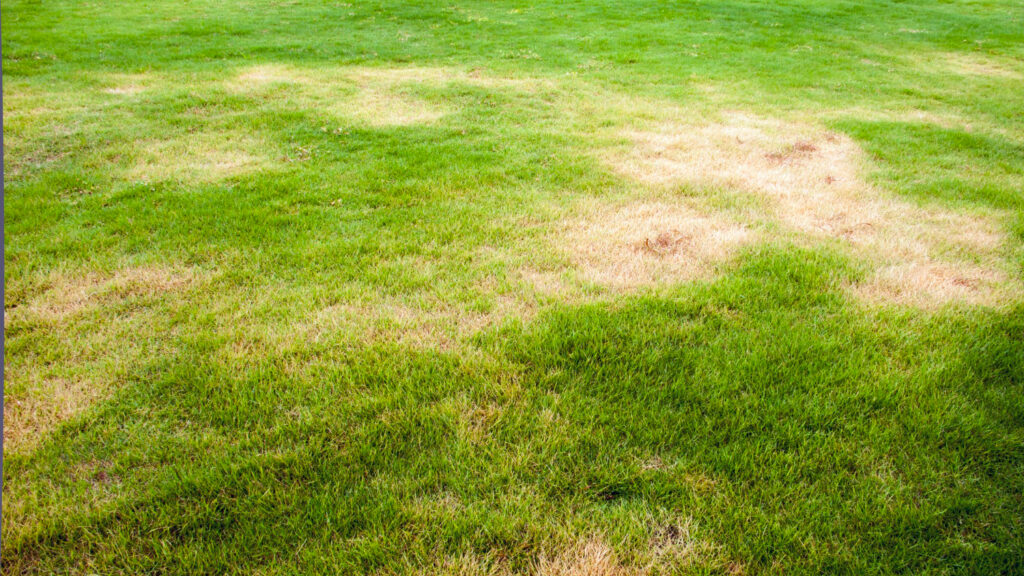
Because of this timing, the worst damage often shows up weeks or months after the first eggs were laid. By the time you see yellow or brown spots, the grubs may have been feeding for a while. Many people confuse this damage with:
- Drought stress
- Fungus or disease
- Poor fertilization or bad soil
When the problem is misread, people might water more or spread extra fertilizer, but that does not fix chewed-up roots. Knowing how grub timing works in our local climate helps you plan. Preventive grub control services are usually most helpful in early summer, before eggs hatch, while curative treatments are used later when grubs are already active.
Subtle Turf Changes That Signal Grub Trouble
Early grub damage does not always look dramatic. At first, it may just seem like a part of the lawn is not keeping up with the rest.
Some early, often overlooked signs include:
- Slight thinning in patches, where you can see more soil between blades
- Faded, gray-green areas that do not match the rich color of nearby grass
- Sections that look tired or flat, especially in sunny, south-facing spots
Another warning sign is how the turf feels under your feet. As grubs eat the roots, the grass loses its firm hold on the soil. You might notice:
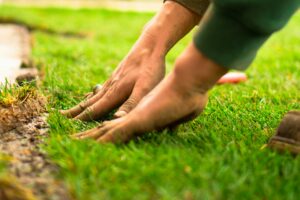
- A soft, bouncy, or spongy feel when you walk across the lawn
- Turf that shifts when you twist your foot, almost like loose carpet
Homeowners sometimes react by watering more, because the grass looks dry or wilted. But if the roots are damaged, they cannot pull in enough water, no matter how much you add. That can lead to:
- Areas that wilt or droop even with regular irrigation
- Water running off instead of soaking in, since the root layer is weak
A good habit is to walk your lawn in late summer and early fall and pay attention to small changes. Compare different parts of the yard, especially sunny areas and slopes. Catching these subtle signs early can keep a small problem from spreading across the whole property.
Unusual Wildlife Activity You Should Not Ignore
Grubs do not only get the attention of lawn care pros. They are also a favorite snack for local wildlife. When grubs are close to the surface, animals notice fast.
Keep an eye out for increased activity from:
- Birds pecking in the same spots day after day
- Skunks and raccoons flipping pieces of sod at night
- Moles or other small animals tunneling under the grass
The lawn may show signs like:
- Small cone-shaped holes where animals have probed for food
- Flipped or rolled-back chunks of turf
- Scattered dirt and grass overnight that seems to appear out of nowhere
Many people blame this on random critter trouble, but it is often a sign of a grub buffet just below the surface. Wildlife may let you know you have grubs, but they almost never eat enough to solve the issue. In fact, their digging can turn light root damage into shredded turf very quickly.
If you notice a sudden change in wildlife patterns in late summer, it is worth taking a closer look at the lawn. A quick inspection, or a visit from a local lawn care technician, can confirm whether grubs are the reason your yard has become a feeding ground.
Simple at-Home Checks Before Calling a Pro
If you suspect grubs, there is a simple check you can do to get a better idea of what is happening under the grass. You do not need special tools, just a shovel or a sharp spade.
Here is a basic DIY grub check:
- Pick a spot where the grass looks thin, wilting, or where animals have been digging.
- Cut three sides of a one-square-foot section, like a small flap of sod.
- Gently peel back the turf and look in the top few inches of soil.
- Count the white, C-shaped grubs you can see.
Finding a single grub is not always a reason to worry. A few can be normal. When you see several in one square foot, especially along with other warning signs, it is often a sign that treatment is needed.
A few things to avoid during this check:
- Do not cut too many test squares, which can stress the lawn further.
- Be careful not to confuse other harmless insects with lawn grubs.
- Avoid applying store-bought products without knowing the timing and type of grub present.
Professional grub control services can confirm what you find, identify the best treatment, and time it so it works with fertilization, aeration, and other lawn care steps.
Protect Your Lawn with Timely Grub Control Services
Grub problems are easiest to handle when you spot the quiet warning signs early. The main clues to watch for in Bucks and Montgomery County include:
- Subtle thinning and off-color patches in the turf
- A loose, spongy feel when you walk across the grass
- Wilting or weak areas that do not respond to watering
- Increased digging or pecking from wildlife, especially in late summer
Professional grub control services offer clear advantages over guessing with DIY treatments. A trained lawn care team can:
- Accurately check for grubs and confirm the real cause of damage
- Choose the right product and method for your specific lawn
- Apply treatments at the correct time in the grub life cycle
- Blend grub control into a full lawn health plan, including fertilization and aeration, so damaged turf can recover faster
In our area, late June and early summer are often the best times to plan preventive treatments that stop young grubs before they start heavy feeding. Curative options are still possible later in the season if you notice damage, but early action usually means less stress on the lawn.
At Jamison Lawn Care, we work with residential and commercial properties across Bucks and Montgomery County, so we understand how local weather, soil, and grass types affect grub activity. By pairing targeted grub control with ongoing lawn care, we help yards stay thick, green, and better protected from hidden root damage.
Protect Your Lawn From Costly Grub Damage Today
If you are starting to see thinning turf or lawn damage, now is the right time to act with our professional grub control services. At Jamison Lawn Care, we carefully inspect your yard and apply targeted treatments to stop grubs before they destroy more of your grass. We will walk you through what we find and recommend a treatment plan that fits your lawn’s needs. Ready to get started or have questions about your yard’s condition? Simply contact us and we will follow up promptly.