Turn Those Mowing Stripes Into a Lawn Health Report
Those light and dark mowing stripes are more than a cool ballpark look. They are actually a quick report card on how healthy your lawn really is. When you know what to look for, each pass of the mower can show early signs of stress, damage, or strong growth.
Stripes come from grass blades bending in different directions, not from cutting at different heights. The light stripes are blades leaning away from you and catching more light. The dark stripes are blades leaning toward you and reflecting less light. By reading those color changes, homeowners in Bucks and Montgomery County can spot problems early and decide when it is time to bring in professional lawn maintenance services for extra help.
What Lawn Stripes Really Say About Grass Health
Clean, even stripes usually mean your lawn is in a pretty good place. When the lawn is healthy, you tend to see:
- Stripes that are similar in color from one band to the next
- Lines that look straight and even in width
- A smooth, full surface with no thin or bare spots
This tells us the grass is fairly uniform in height, thickness, and color. That often points to balanced nutrients, good watering habits, and mowing done at the right height.
Stripes can also warn you when something is not right. Watch for:
- Patchy or broken lines that stop and start
- Bands that look dull, gray, or washed out compared to others
- Stripes that change width or look wobbly even when you walk a straight line
These can be signs of soil compaction, early disease, or uneven growth from poor root health. In our area of Pennsylvania, most lawns have cool-season grasses like fescue, bluegrass, and rye. When these grasses are well cared for in late spring and early summer, they usually show clear, crisp stripes. If your stripes look fuzzy or weak during that time, the lawn is trying to tell you something.
Stripe Patterns That Signal Hidden Lawn Problems
Some stripe problems are easy to miss until you slow down and really look. Each small change hints at a different issue below the surface.
Color differences are often the first clue. Pay attention if you notice:
- One stripe looks more yellow than the next
- A band that appears gray-green instead of rich green
- Stripes that look faded, even though you watered recently
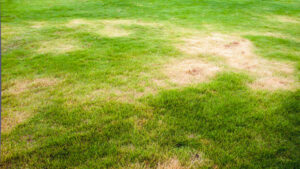
These lighter or dull bands can point to nitrogen deficiency, early heat stress, or even the start of a fungal problem. When only certain passes of the mower look off-color, it often matches areas where the soil or roots are struggling.
Texture and density are just as important as color. Thin or see-through stripes, where you can spot soil or thatch between blades, can mean:
- Weak roots that are not drawing enough water or nutrients
- Heavy thatch that is blocking air and water from reaching the soil
- Compacted soil along certain mower paths
Another warning sign comes from direction and surface lines. If you see ruts, grooves, or low tracks running in the same direction as your stripes, it may point to:
- Repeated heavy mower traffic over the same lines
- Low tire pressure pressing too hard into soft soil
- Mowing when the ground is still wet after rain
In Bucks and Montgomery County, late spring and early summer rains can leave soil soft. Running heavy equipment over that ground can create lasting ruts that show up every time you mow.
Summer Mowing Habits That Protect Your Stripes
Good mowing habits help your stripes look sharp while also protecting the lawn underneath. For cool-season turf in late June and July, we recommend keeping the grass on the higher side, around 3 to 4 inches. A slightly taller cut:
- Deepens the green color
- Softens striping lines in a healthy way
- Shades the soil to reduce heat stress and weeds
Blade care matters too. Dull mower blades tear the grass tips instead of cutting them. This causes frayed, whitish ends that make the whole lawn look cloudy, like a film is over the stripes. Rushing while mowing can also leave:
- Uneven bands where the deck bounces
- Missed patches that break the pattern
- Swirl marks from turning too fast
Pattern rotation can protect your lawn and keep stripes looking clean. Try to:
- Change direction with each mowing, such as north-south one time, east-west the next
- Avoid turning in the same spots over and over
- Mow during cooler parts of the day so the grass is not wilted and limp
These small habits help prevent ruts, reduce grain in the grass, and keep the lawn strong enough to bend and reflect light nicely.
How Professional Lawn Maintenance Services Elevate Stripes
There is a reason sports fields and pro landscapes have such bold, even striping. Professional lawn maintenance services use equipment and knowledge that most homeowners do not have in the garage. Commercial mowers, proper striping attachments, and tuned blades create cleaner bends in the grass and more consistent passes.
Pros also look far beyond the pattern. A strong stripe always starts with a healthy lawn. A well-planned program with fertilization and weed control can:
- Feed the lawn the right nutrients at the right time
- Help the grass hold a deep, uniform green color
- Reduce weeds that break up stripes with odd textures and colors
Local know-how makes a big difference too. A team that works in Bucks and Montgomery County every day understands the local soil types, common grass varieties, and weather swings. They can time treatments, mowing heights, and cleanup work so the lawn keeps its color and pattern through summer heat and into early fall.
Simple Homeowner Checks Before Calling in the Pros
You do not need special tools to use your stripes as a lawn health test. After your next mow, try a quick walk-through:
- Stripe colors side by side, checking for any that look lighter or dull
- Sudden pattern changes, like one area where stripes blur or break
- Spots that feel thin, bumpy, or spongy under your feet
- How the stripes look a day or two later, once the grass stands up again
A few simple changes can sometimes help ease mild issues. At home, you might:
- Raise the mowing deck a notch
- Overlap each pass a little more for cleaner bands
- Water less often but more deeply so roots go down, not sideways
- Skip one mowing during a heatwave to avoid stressing the lawn
If stripes stay uneven for weeks, yellow bands keep spreading, or mower ruts do not bounce back, that is when it makes sense to bring in a professional crew like ours at Jamison Lawn Care. We can read those stripe clues, check below the surface, and build a plan to get your lawn back on track.
Turn Striping Clues Into a Healthier Lawn This Season
Your next mowing day is a chance to do more than just tidy up the yard. Use the stripes as a simple health check by paying attention to color, density, and how smooth the pattern looks from pass to pass. Those little changes often show up in the stripes long before the whole lawn looks stressed.
When small issues do appear, they are usually easier to fix if you act early. Adjusting mowing height, watching your patterns, and getting help from lawn maintenance services when needed will keep your stripes looking sharp and your lawn strong through the hottest months.
Get Expert Lawn Care That Keeps Your Yard Looking Its Best
If you are ready for a yard that consistently looks clean, healthy, and well cared for, our lawn maintenance services are designed for you. At Jamison Lawn Care, we handle the ongoing work so you can enjoy your outdoor space without the hassle. Tell us about your property and goals, and we will recommend a schedule that fits your needs. Have questions or want to schedule a visit? Simply contact us to get started.