When a Green Lawn Starts Looking Washed Out
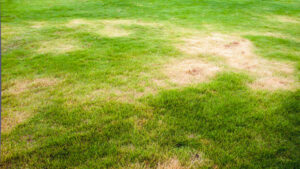
A lawn that used to look rich and green can start to look pale, patchy, or even yellow, even when you are spreading fertilizer on a regular schedule. That can be confusing and frustrating. You are doing what the bag says, but the grass still looks tired.
The truth is, fertilizer is only one part of healthy color. When grass starts to fade, it can be a sign that something deeper is going on with the soil, watering, mowing, or even pests and disease. A professional lawn fertilization service looks at the whole picture, not just the nutrient label.
Here in Bucks and Montgomery County, we see how wet springs, sudden heat, and humid summers put a lot of stress on local lawns. If those changing conditions are not handled the right way, color will fade fast, no matter how many times you fertilize.
Why Fertilizer Alone Cannot Fix Every Lawn Problem
Fertilizer does an important job. It feeds your grass with nutrients like nitrogen, phosphorus, and potassium, along with smaller amounts of micronutrients. These help grass grow thicker, build roots, and maintain a rich green color.
But fertilizer cannot fix issues that block the grass from using those nutrients. Common problems that still leave lawns dull include:
- Compacted soil that roots cannot push through
- Poor drainage that keeps roots waterlogged
- Soil pH that is too acidic or not balanced
- Heavy thatch that stops water and nutrients from reaching the soil
- Ongoing weed, insect, or disease pressure
DIY fertilizing can also backfire. Some common mistakes are:
- Applying too much nitrogen and causing a quick green burst, then burnout
- Using the wrong product for the season or grass type
- Spreading fertilizer unevenly and leaving streaks or stripes of color
- Fertilizing stressed grass during heat, which can scorch the lawn
When these issues are in play, more fertilizer is not the answer. It can even make the lawn weaker over time.
Hidden Soil Issues That Steal Your Lawn’s Color
Soil is where healthy color really begins. Many homeowners skip soil testing and go straight to the store shelf. Without knowing what is happening under the surface, you are guessing.
Soil testing helps find problems like:
- pH levels that are off, which locks up nutrients
- Low organic matter that limits root growth
- Nutrients that are missing or out of balance
In Bucks and Montgomery County, soil types can change a lot from one yard to the next. Some areas have heavier, compacted soil that holds water. Others have more acidic soil. In both cases, the roots may not be able to take up nutrients, even when the fertilizer itself is good.
A professional lawn fertilization service often recommends support steps such as:
- Lime applications to gradually bring soil pH into a better range
- Core aeration to relieve compaction and allow air, water, and nutrients to reach roots
- Overseeding with grass varieties that are suited to our local climate and conditions
These steps work with fertilizer so that color is not just fast and temporary, but more steady and long-lasting.
Watering, Mowing, and Sunlight: the Color Triad
Even with balanced soil and the right fertilizer, lawn color can fade if the daily care is off. Watering, mowing, and sunlight work together, and if one is wrong, color can suffer.
Watering is a big one. Shallow, frequent watering keeps the top inch of soil wet but never pushes roots deeper. That leads to:
- Weak, shallow roots
- Grass that dries out quickly in heat
- A lighter, washed-out color
Deep, less frequent watering encourages roots to reach down for moisture. That usually means a darker, stronger lawn that can handle hot days better.
Mowing habits also show up in the color of the grass. Cutting too short, also called scalping, exposes stems instead of the leafy green blade. It stresses the plant, especially during hot weather, and the lawn starts to look thin and pale. Keeping mower blades sharp and following the one-third rule, never removing more than one third of the blade at a time, helps keep color steady.
Then there is sunlight. Shaded areas under trees, near fences, or between houses will not match the color of sunny spots if they are treated exactly the same way. Shade areas often need:
- Shade-tolerant grass seed
- Adjusted mowing heights
- Tree pruning to let in more light
- Realistic expectations for slightly softer color
A thoughtful plan for watering, mowing, and light is a big part of how the lawn looks.
Seasonal Stress and Summer Color Challenges
Early in the growing season, many lawns in our area look great. Cool temperatures and steady rain help grass stay thick and green. As summer heat builds, the story changes.
Most lawns in Pennsylvania use cool-season grasses like fescue, ryegrass, and bluegrass. These grasses prefer cooler weather. When long stretches of hot, dry days hit, they naturally struggle. Even with regular fertilization, color can fade and the lawn can thin out.
To protect color as the weather shifts, a helpful plan often includes:
- Fertilizer that is timed to support roots before and after the hottest stretch
- Aeration ahead of peak stress so roots can breathe and spread
- A steady irrigation schedule that reaches the root zone, not just the surface
- Spot treatments for fungus or insects that tend to flare up in warm, humid conditions
When these seasonal moves line up with the weather, the lawn is better prepared to hold onto color instead of slipping into full summer burnout.
How Pros Diagnose Color Problems the Right Way
When a professional lawn fertilization service visits a washed-out or patchy lawn, we look far beyond the fertilizer spreader. A careful check might include:
- Looking closely at grass blades for signs of disease, insects, or nutrient issues
- Checking thatch depth and soil condition
- Checking for compacted areas or standing water after rain
- Looking at sprinkler coverage and patterns
- Noting shade, traffic paths, and thin spots
From there, a plan can be built for that specific property. Instead of one bag for every yard, we focus on:
- Custom nutrient blends that match soil needs
- Application rates that fit the lawn’s size and condition
- Visit timing that lines up with local weather and seasons
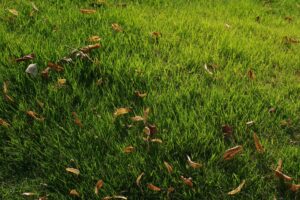
Color support often goes beyond feeding. Weed control helps reduce broadleaf plants that steal nutrients and stand out against green turf. Grub and surface insect control help protect roots and blades from damage that can show up as brown or yellow patches. Cleanups that remove leaves, sticks, and debris open up the lawn to better airflow and sunlight, which also supports richer color.
Turn Your Lawn’s Color Around Starting This Season
A lawn that is starting to look tired is sending a signal. Waiting until large brown areas appear only makes recovery slower. When soil, watering, mowing, and seasonal stress are all addressed together, fertilizer can finally do the job it was meant to do.
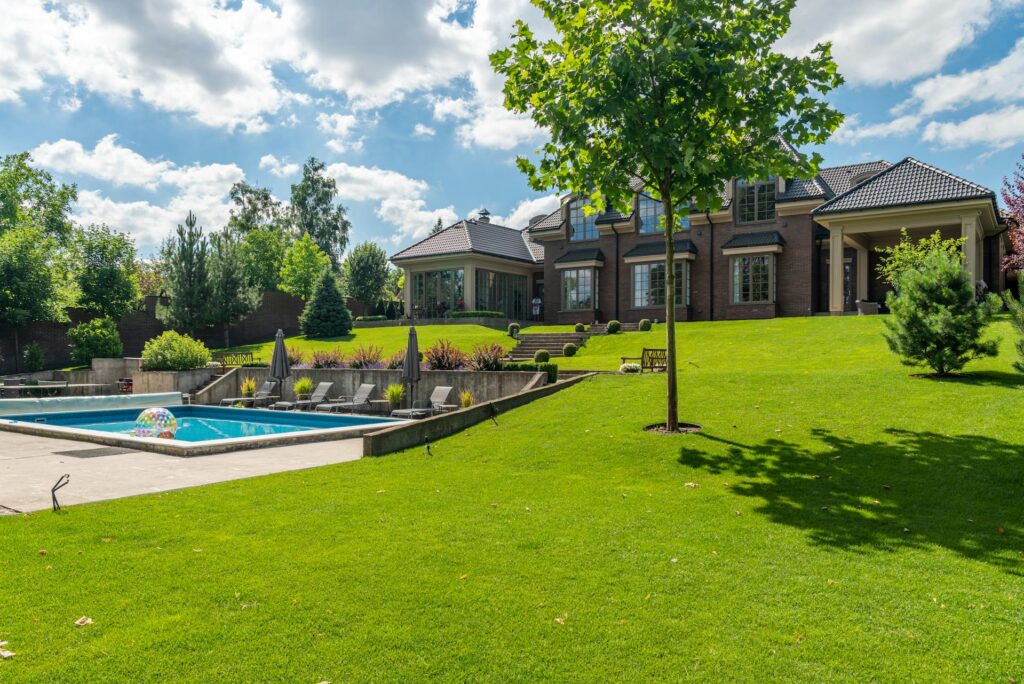
At Jamison Lawn Care, we focus on professional lawn fertilization service that looks beyond the bag and into the full health of your turf. With a thoughtful plan and steady care, homeowners and businesses in Bucks and Montgomery County can enjoy a lawn that keeps its rich, green color through the changing seasons, not just for a few weeks in early spring.
Give Your Lawn the Healthy Boost It Deserves
If you are ready to improve your soil, strengthen your grass, and reduce weeds, our professional lawn fertilization service is the next step. At Jamison Lawn Care, we tailor every treatment to your yard’s specific needs so you see consistent, long-lasting results. Reach out today and let us build a fertilization plan that fits your property and schedule, or contact us with any questions before getting started.