Stop Scorching Your Lawn in PA’s Summer Heat
A lawn can go from green to brittle and brown by late June even when it is being mowed on a regular schedule. Many people blame the heat, the lack of rain, or think they need more fertilizer. Often the real problem is much simpler: the grass is being cut too short for summer conditions in Pennsylvania.
Mowing height is one of the most overlooked parts of lawn maintenance services in Bucks and Montgomery County. Our summers bring a mix of heat waves, sticky humidity, and stretches with very little rain. In that kind of stress, the height of your grass is not just a personal taste, it can decide whether your yard stays green or dries out. We are going to look at why mowing height matters so much, what happens when you cut too low, how to adjust your routine, and how a professional team can help you protect your lawn when the heat is on.
How Mowing Height Protects Grass in Extreme Heat
Grass blades are more than something to drive the mower over. Each blade is like a tiny shade umbrella for the soil below. When the grass is left a bit taller in summer, it:
- Shades the soil so the surface stays cooler
- Protects the root zone from direct sun
- Slows down water loss from heat and wind
- Gives roots more energy to grow deeper
During stretches of 80- to 90-degree days, that extra shade and depth makes a big difference. Taller blades act like a built-in sunscreen and help the lawn hold onto every drop of water it gets.
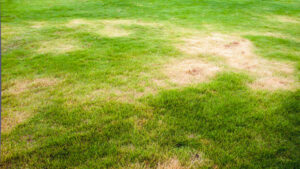
When grass is cut too short in hot weather, several things start to go wrong. The roots stay shallow because the plant has less leaf area to make food. Shallow roots dry out faster, so the lawn starts to wilt and thin. The soil heats up, moisture evaporates quickly, and bare spots open where weeds and crabgrass can move in. Short, stressed grass is also more open to insects and disease.
Here in Bucks and Montgomery County, many yards have heavier or compacted soil and full sun areas in front and back. Some neighborhoods expect a neat, tidy look, which can push mowing heights lower than they should be in summer. That is where balance matters. You want a clean, trimmed lawn, but you also want grass that can handle heat and dry spells without burning out. In our local climate, mowing height becomes a main line of defense against stress, not just a cosmetic choice.
The Ideal Summer Mowing Height for PA Lawns
Most cool-season grasses common in our area, such as Kentucky bluegrass, perennial ryegrass, and tall fescue, like to be cut higher when the weather turns hot. In the peak of summer, a good goal for many lawns is about 3 to 4 inches.
A simple way to protect your lawn in the heat is to follow the “one-third rule.” That means:
- Never remove more than one-third of the grass blade at a time
- If the lawn is very tall, raise the mower and trim it down over a few cuts
- Stay patient during hot, dry weeks instead of forcing a very short cut
In dry or stressed periods, it can also help to change when and how often you mow. Try to:
- Mow less often when the lawn is barely growing
- Avoid mowing in the middle of the day when the sun is strongest
- Keep mower blades sharp so they slice instead of tearing the grass
A sharp blade makes a clean cut that heals quickly. A dull blade rips the tips and leaves a white, ragged look that dries out faster. Professional lawn maintenance services adjust deck height, mowing speed, and schedule based on how fast your grass is growing, recent weather, and the condition of each area of the yard. That kind of attention is hard to match when you are squeezing mowing into a busy week.
Signs You Are Mowing Too Low This Summer
Not sure if the mower is set too low for the heat? Your lawn will usually send clear signs. Watch for visual red flags like:
- Yellow or brown tips right after mowing
- Thinning or bare patches that keep getting wider
- Soil that is easy to see between grass plants
- New weeds or crabgrass popping up where grass has faded
There are also signs you can feel. A lawn that is cut too short in summer can feel crunchy under your feet, instead of soft and springy. Footprints may linger, leaving dark or flat spots that take a long time to bounce back. The yard may dry out quickly after a rain, going from damp to dusty in just a short time.
Scalping is another common issue. This happens when the mower deck dips on slopes, along the edges, or over high spots in the yard and cuts down to the crown of the plant. In hot, dry weeks, those scalped strips and patches take the hardest hit and can turn brown fast.
A few simple checks can help you stay ahead of problems:
- Use a small ruler to measure grass height after mowing
- Compare sunny front areas with shaded or side yard areas
- Notice how long it takes for the lawn to perk back up after a hot spell
If your measurements are always under about 3 inches in the peak of summer, it is time to raise the deck.
Smarter Summer Lawn Maintenance Services in PA
A thoughtful summer mowing plan is not about doing more work, it is about doing the right work at the right time. For many properties, a smart plan includes:
- A slightly higher cutting height in the hottest months
- A flexible schedule that follows actual growth, not just the calendar
- Careful trimming around curbs, sidewalks, and beds to avoid scalping
When mowing is paired with other services, your lawn has a better chance to stay thick and green even when conditions are tough. A complete approach can include:
- Balanced fertilization timed for the season
- Weed control that targets trouble areas without stressing the turf
- Cleanup of sticks and debris that block sunlight and trap moisture
- Guidance on watering so you are not overdoing or underdoing it
Professional lawn maintenance services in Bucks and Montgomery County also bring consistent results and properly set equipment. Decks are adjusted so they are level, blades are kept sharp, and patterns are rotated to reduce ruts and compaction. A good crew can set different mowing heights for different parts of the same property, such as a higher setting in full sun, a moderate setting in light shade, or a slightly tougher cut in high traffic play areas. It is not a one-size-fits-all approach.
Turn This Summer Into a Win for Your Lawn
A small change in mowing height can have a big payoff once the heat settles in. Cutting a little higher helps your lawn hold moisture, build deeper roots, and keep better color through dry spells. It also helps crowd out weeds and reduces the chance of thin, bare spots that need repair later.
To keep things simple, use this quick summer checklist:
- Raise the mower deck to about 3 to 4 inches in the hottest weeks
- Follow the one-third rule so you are not taking off too much at once
- Avoid mowing in the middle of the day during extreme heat
- Watch for early warning signs like yellow tips, crunchiness, and thin spots
At Jamison Lawn Care, we focus on mowing height, timing, and overall lawn health so yards in our corner of Pennsylvania can handle summer stress with less struggle. When you treat mowing height as a tool instead of just a habit, your lawn has a much better chance to stay lush, cool, and comfortable all season long.
Get Reliable Lawn Care That Fits Your Schedule
If you are ready for a yard that looks great without eating up your weekends, our customized lawn maintenance services make it simple to stay on top of mowing, edging, and clean-up. At Jamison Lawn Care, we tailor each plan to your property so you get exactly the level of care you need. Reach out today to discuss your goals, ask questions, and get a clear estimate, or contact us to schedule your first visit.