Stop Letting Bad Watering Habits Wreck Your Lawn
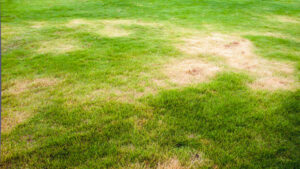
Watering seems simple, but it is where many Montgomery County lawns quietly fall apart. From the street, a yard can look fine in June, but up close you see brown patches, thin spots, and weeds slipping into bare areas. Often the grass is not struggling because of fertilizer or mowing height. The real problem sits in the way the lawn gets watered, day after day.
In our local area, many homeowners have good intentions but rely on habits that slowly weaken the turf. Lawns in Bucks and Montgomery County deal with clay and loam soils, summer heat, and changing rain patterns, so they react fast to bad watering patterns. When those habits shift, the grass can change too. In this article, we will walk through the quiet watering mistakes that hurt lawns here in PA, how to match your watering to our weather, and simple schedule changes that help your yard grow thicker and greener.
Why Montgomery County Lawns Hate Daily Sprinkling
Daily, light watering seems kind and careful, but most lawns here dislike it. When grass only gets a quick sprinkle, the water barely soaks past the first inch of soil. The roots stay shallow because they never need to reach deeper for moisture. Shallow roots mean the lawn burns out faster during hot spells, shows footprints longer after people walk on it, and struggles any time the top of the soil dries out.
Our common clay and loam soils react badly to this kind of watering. The surface layer can stay damp all the time, which leads to:
- Soggy topsoil that compacts more easily
- Less air in the root zone
- Roots staying close to the surface instead of growing down
When the top half inch of soil is always wet, oxygen has a hard time moving down where the roots live. Grass needs air in the soil just as much as it needs water. Without it, roots stay weak and fine, and they tear easily during stress.
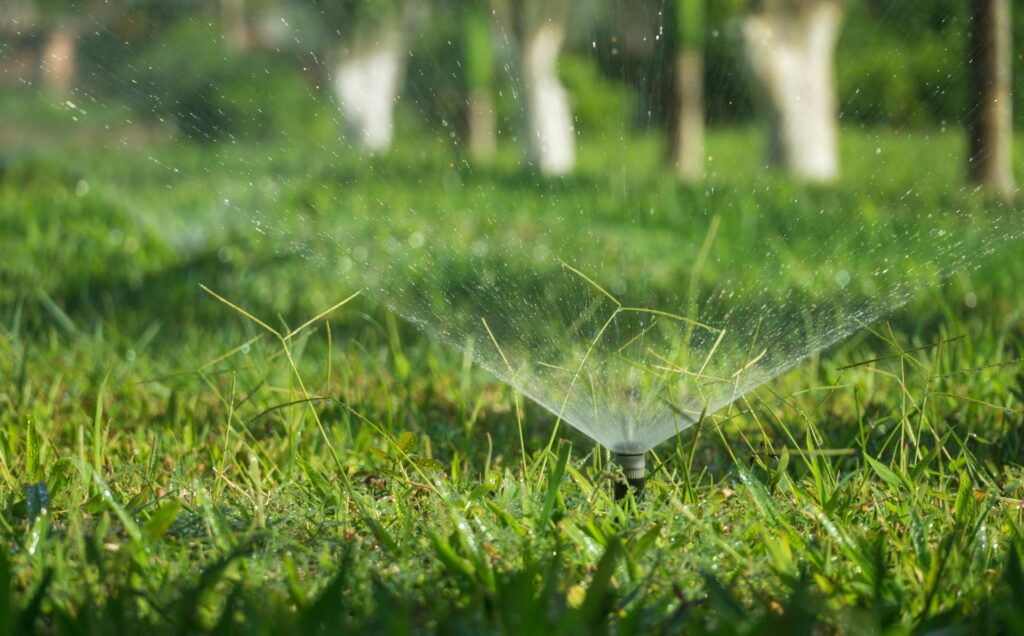
A better goal for PA lawn care is fewer, deeper soakings. You want water to reach about 4 to 6 inches into the soil. That deeper moisture teaches roots to grow down, not out across the surface. Lawns with deep roots can handle the heat that shows up in July and August much better. Many irrigation systems in our area are left on a default setting like “every day for 10 minutes.” That might be easy, but it is not healthy for the lawn. Resetting your controller for deeper, less frequent cycles is one of the fastest ways to help your turf.
The Hidden Damage of Watering at the Wrong Time
Time of day has a big effect on how water helps or hurts your grass. Evening watering is a common habit, especially after work. The problem is that the blades stay wet all night. Warm, humid summer air in PA mixed with long hours of leaf wetness is perfect for fungal diseases. Problems like dollar spot and brown patch thrive when the grass never fully dries before midnight.
Mid-day watering has different issues. When the sun is strong and the air is hot, a lot of water evaporates before it can soak into the soil. What does reach the grass usually just cools the top of the plant for a few minutes. It does not provide the deep watering that roots need. You end up using more water for less benefit.
The best window for most lawns in Bucks and Montgomery County is early morning, roughly between 4 and 9 a.m. During that time:
- Air temperatures are cooler
- Winds are usually lighter
- Water has more time to soak down before heat builds
- Sunlight later in the morning dries the blades and reduces disease risk
Timing matters even more when your lawn is on a fertilization plan. Watering too heavily or at the wrong time after a treatment can wash nutrients away, or keep the leaves damp long enough for disease to take hold on already stressed grass.
Overwatering: the Quiet Killer of PA Lawns
Overwatering harms lawns in slow, sneaky ways. Soil contains tiny spaces that should hold both air and water. When those spaces stay flooded, roots cannot breathe well. The grass may look green for a while, but below the surface, the root system gets soft and weak. That kind of root system tears easily and cannot handle dry spells.
In our area, consistent extra moisture invites other problems too. You may start to see:
- Spongy or squishy turf under your feet
- More mushrooms popping up after rain
- Moss or algae on the soil surface, especially in shady spots
- Grass that wilts quickly as soon as watering is reduced
Those are red flags that the lawn is getting more water than it can use. A realistic target for most PA lawns is about 1 to 1.5 inches of water per week, including rainfall. Sprinkler systems rarely match that on their own. A simple trick is to place a few empty, straight-sided cans around the yard while your system runs. After a full cycle, check how much water collected. This shows you what the lawn is really getting, not just what the controller says.
Adapting Watering to PA Weather and Soil
Lawns in Montgomery and Bucks County do not need the same watering schedule all year. Spring often brings steady rain, then summer can flip between humid stretches and dry spells. If the schedule on your controller never changes, it probably misses what the yard actually needs.
Different parts of a single property can behave like different lawns. For example,
- Sunny front yards or spots on a slope dry out faster
- Shady side yards can stay wet long after rain
- Low-lying areas may collect water and stay soft
- Areas near pavement can heat up and dry out sooner
Soil type matters too. Many local yards have heavier clay that holds onto water longer but drains slowly. Long, heavy watering on clay tends to run off instead of soaking in, especially on slopes. A better approach is “soak and cycle,” where you break one long watering into two or three shorter sessions with breaks in between. The pauses let water move into the soil so less is lost to runoff.
It also helps to pause irrigation after a big thunderstorm and to rethink watering when the lawn has just been fertilized or overseeded. New seed, for example, usually needs more frequent light moisture at the surface, while established turf prefers deeper soaks with drying time between them. Matching your watering plan to both weather and soil type goes a long way toward healthier grass.
Simple Fixes and When to Call in Local Pros
Even small changes to your watering routine can give your lawn a better chance. A quick homeowner checklist might include:
- Reset sprinkler controllers to 2 or 3 deeper waterings per week instead of daily watering
- Move run times into the early morning hours
- Walk the yard and look for dry spots, puddles, or spongy areas
- Use simple containers to measure how much water each zone puts down
- Adjust heads so sidewalks and driveways are not getting soaked
Watering works best when it pairs with other basics. Proper mowing height, seasonal fertilization, and periodic aeration help water reach the roots instead of running off the surface. When the soil is less compacted, it takes in moisture more easily, which reduces standing water and helps roots grow deeper.
There are times when it makes sense to bring in local lawn care professionals. Recurring brown patches, stubborn fungus or mushrooms, standing water that never seems to drain, or confusion about how much to water after seeding or fertilization are all signs you may need expert help. A team that works every day with Bucks and Montgomery County lawns, like we do at Jamison Lawn Care, can look at your yard’s soil, sunlight, and current watering habits, then build a plan that fits your property so your lawn can handle our PA weather with less stress.
Get A Healthier, Greener Lawn Started Today
If you are ready for a lawn that looks great and is easier to maintain, our team at Jamison Lawn Care is here to help. Explore our PA lawn care services to see how we can handle the mowing, fertilizing, and ongoing care for you. We will work with your schedule and your yard’s specific needs so you can enjoy a consistently clean, healthy lawn. Have questions or want a quote? Just contact us and we will follow up promptly.