Lawn Edging Secrets That Transform PA Curb Appeal
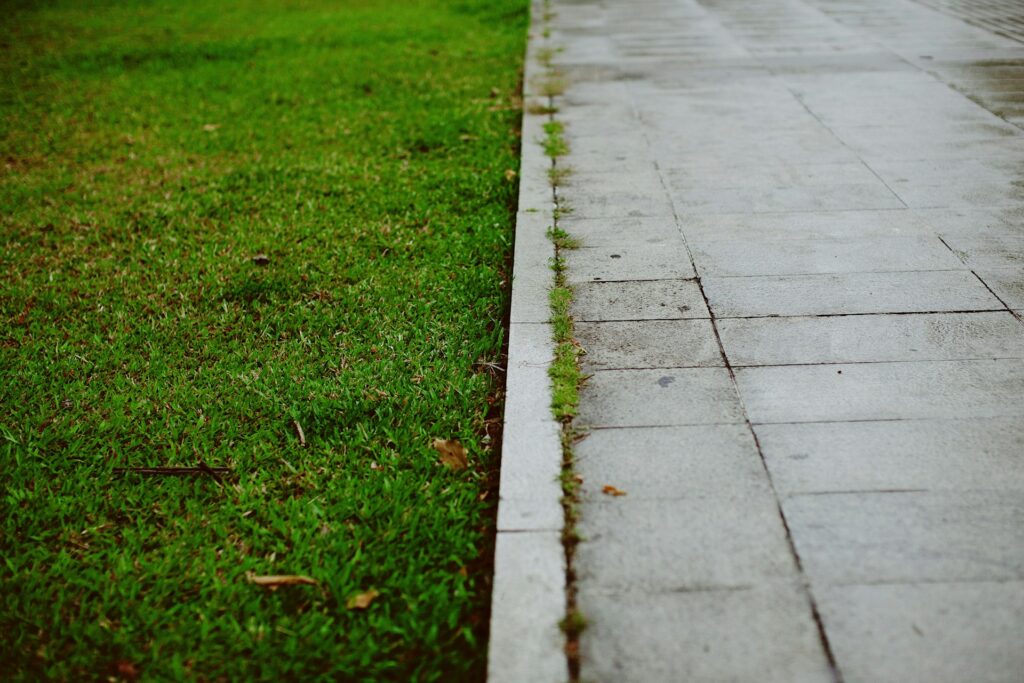
Clean lawn edging might seem like a small detail, but it has a huge impact on how your property looks. Those thin lines where grass meets driveway, walkway, mulch bed, or patio act like a picture frame around your home or building. When the frame is sharp and tidy, the whole yard feels cared for and welcoming.
In Bucks and Montgomery County neighborhoods, people notice edges right away. Even if the grass is a little average, crisp edging can make the whole lawn appear professionally maintained and more valuable. On the flip side, sloppy borders can undo the hard work you put into mowing, watering, and fertilizing. Many homeowners and businesses do not realize that simple edging mistakes are dragging down their curb appeal and working against their overall PA lawn care efforts.
Uneven and Wavy Edges That Distract the Eye
Crooked or wavy edges pull the eye in all the wrong ways. Instead of seeing a smooth, clean line, you get lots of little bumps and dips along sidewalks, driveways, and garden beds. That “visual noise” makes the whole property look a bit tired, even if the grass is green and healthy.
Common reasons edges end up uneven include:
- Rushing through weekly mowing
- Using mower wheels as a guide instead of a true edge
- Skipping an edging tool or not having a clearly marked line
- Trimming from a different angle each time
Over time, these shortcuts add up. The line drifts, the curve gets lumpy, and suddenly nothing looks straight. In our PA climate, grass grows fast in spring and again in late summer, which makes small mistakes show even more.
For most Bucks and Montgomery County lawns, it helps to re-establish crisp lines a few times during the growing season. That usually means:
- Cutting or re-cutting edges in early to mid-spring
- Touching them up again toward late summer
- Keeping things neat with careful trimming between deeper re-edges
This regular attention keeps the borders consistent and makes weekly mowing look cleaner.
Cutting Edges Too Deep or Too Shallow
Edge depth is another spot where well-meaning property owners run into trouble. When edges are cut too deep, they can harm the turf and soil around them. Deep cuts may:
- Expose grass roots to hot sun and dry air
- Let soil dry out faster
- Encourage erosion along the edge during heavy rains
- Make grass more vulnerable when freeze and thaw cycles hit
On the other hand, edges that are too shallow do not really act like a barrier. Grass quickly creeps into mulch beds, stone areas, and along hard surfaces. That creates a ragged, overgrown look and adds more time spent pulling or trimming stray blades.
For typical Bucks and Montgomery County lawns, a moderate, consistent depth usually looks best. A gently sloped edge, not straight up and down, helps water flow into the turf instead of washing soil away. In heavier clay soils, going too deep can lead to water sitting in the edge and turning it muddy. In loam soils, deep cuts can crumble and lose shape faster.
Since every property is a bit different, having a trained eye on your soil type, sun exposure, and traffic patterns can help set the right depth and angle so the edge holds up and supports healthy grass.
Ignoring Material Choices Around Edging Lines
Edging is not just about where you cut the grass. The materials you use along beds and borders matter too. Different options change both the look and the maintenance level of your yard.
Common edging materials include:
- Plastic edging
- Metal edging
- Stone or brick
- Concrete borders
- Natural trench edges with no physical barrier
Each has pros and cons. For example, plastic edging can shift or pop up if not installed well, especially when the ground freezes and thaws. Metal edging can give a sleek, thin line but may rust or move if the soil heaves. Stone and concrete can look great with many Bucks and Montgomery County home styles, but if they are not set correctly, they heave, tilt, or crack and quickly draw attention.
Common mistakes we see are:
- Mixing several edging materials in a small area so nothing feels coordinated
- Using pavers that are not level, so the line looks bumpy
- Leaving cracked concrete borders in place that distract from a healthy lawn
Choosing the right edging should fit with the style of the home or building, hold up through Pennsylvania’s weather swings, and match long-term PA lawn care goals. That might mean low-maintenance, long-lasting materials for busy commercial sites, or a natural trench edge for homeowners who like a softer, more flexible look.
Letting Grass, Weeds, and Mulch Overrun Edges
Even the best edge line will not look clean if grass, weeds, and mulch are spilling over it. When grass creeps over walkways or into flower beds, the neat border disappears. Weeds popping up along the edge make things look patchy and unplanned. Mulch that slides or piles onto the lawn makes mowing harder and leaves fuzzy, uneven lines.
A lot of this comes down to how beds are managed. Common problems include:
- Mulch spread too thick or too close to edging
- Mulch piled high against plastic or stone, which eventually pushes it out of place
- Skipping string trimming along the edge during regular mowing
- Not using targeted weed control along borders
For spring and early summer in PA, it helps to build edging care into your normal yard routine:
- String trim neatly along edges at each mowing
- Use focused weed control where beds meet lawn
- Reshape bed lines as needed to match the original design
- Refresh mulch without burying the edge or piling it against structures
When edges stay clear and visible, the whole property looks sharper and easier to maintain.
Skipping Seasonal Edge Maintenance in PA
Our Pennsylvania seasons are tough on edging. Freeze and thaw cycles in winter, heavy spring rains, and hot, dry spells in summer all shift soil and move materials. Over time, this slowly ruins even the best-planned lines.
If edging is ignored in spring and fall, small problems can turn into much bigger repairs such as:
- Pavers that tilt or sink along walkways and beds
- Plastic or metal edging that pushes up or out of place
- Soil and mulch washing into low spots and hiding the original edge
- Grass swallowing bed lines so they have to be completely re-cut
A basic seasonal checklist can keep edging from slipping out of control. For many Bucks and Montgomery County properties, that looks like:
- Spring: inspect all edges, reset shifted stones or edging pieces, clean up winter damage, and re-cut bed lines where needed
- Summer: keep lines trimmed and clear of overgrowth, watch for early signs of movement or erosion
- Fall: check for gaps or heaving from dry soil, secure loose materials, and get edges ready to handle winter weather
Treated as a regular part of your PA lawn care routine, edging becomes much easier to manage and keeps your curb appeal strong all year.
Get Healthier, Greener Grass With Professional Care Today
If you are ready to stop guessing and start growing a lawn you can be proud of, our team at Jamison Lawn Care is here to help. Explore our tailored PA lawn care services to give your yard the consistent attention it needs all season long. We will evaluate your property, recommend the right plan, and handle the work so you can simply enjoy the results. Have questions or want to schedule service now? Just contact us and we will follow up with the next steps.