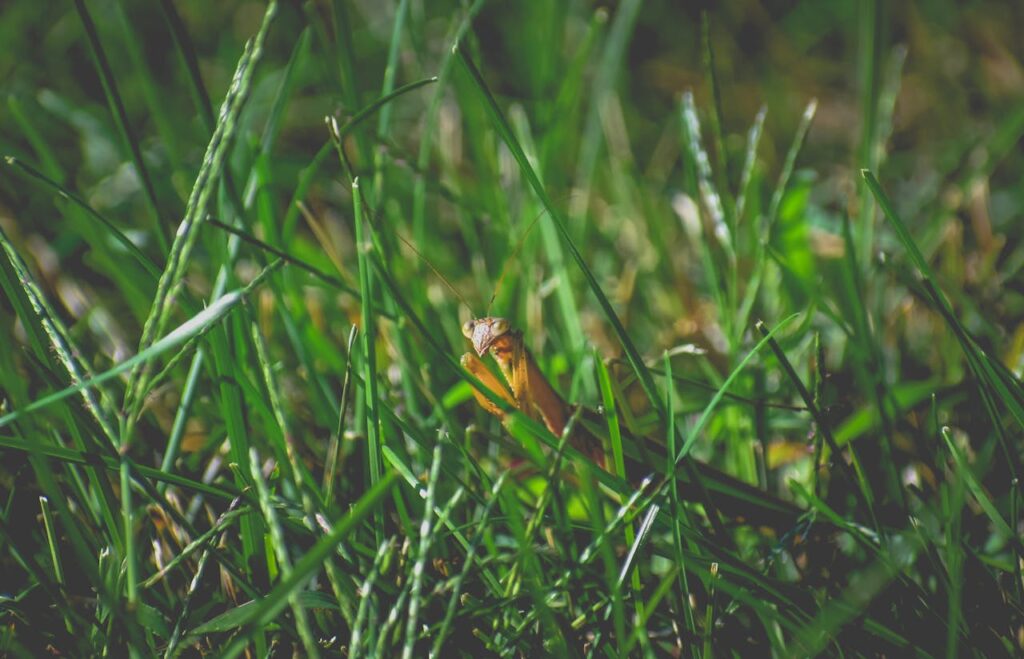
Stop Lawn Pests Before Your New Sod Arrives
New sod should give you an instant green lawn, not instant stress. In Bucks and Montgomery Counties, hidden lawn insects can ruin fresh sod in just a few weeks if they are already living in the soil. That is why planning a lawn insect control service before the sod shows up is such an important step.
When insects are active under the surface, they chew on tender roots, suck plant juices, and weaken grass that has not had time to fully root. Fresh sod is already under stress while it is getting used to your soil. If you roll it out on top of grubs, chinch bugs, or sod webworms, you are almost inviting bare spots, brown patches, and soft, dead turf. A good prevention plan protects both the sod and the soil below it so you are not paying for re-sodding or constant spot repairs.
In our area, late spring is the sweet spot for getting ahead of insects. Around early May, soil temperatures start to rise, insects wake up, and we can treat them before summer pressure really ramps up. With the right timing, treatments are in place and working before roots spread into the soil.
Spotting Trouble Early with a Pre-Sod Insect Inspection
Before new sod goes down, the most important step is a careful look at what is already happening in your yard. A professional inspection is not just a quick glance at the surface. It means getting down into the turf and soil to see what is really going on.
A thorough pre-sod inspection often includes things like:
- Probing the soil to look for grubs and other root-feeding insects
- Checking thatch for chinch bugs, sod webworms, and surface feeders
- Comparing shady and sunny areas to see where pests may be hiding
- Looking at any remaining turf, weeds, or bare ground for signs of stress
Homeowners can also spot warnings before new sod shows up. Some common red flags are:
- Thinning or patchy areas that do not fill in
- Turf that feels spongy when you walk on it
- Birds, skunks, or raccoons digging up the yard
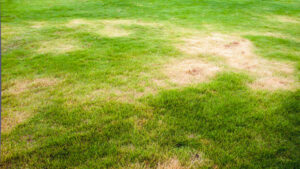
- Brown, odd-shaped patches, not tied to mowing patterns
- Grass that wilts even when you are watering on schedule
The tricky part is that insect damage can look a lot like other problems. Drought, lawn disease, poor drainage, or compacted soil can all cause similar symptoms. A lawn insect control service brings regional knowledge and proper identification so we are not guessing. We sort out whether the issue is insects or something else, then choose treatments that actually match the problem.
Perfect Timing for Insect Treatments Before Sod Installation
Good timing is just as important as picking the right product. In Bucks and Montgomery County, we plan insect treatments around soil temperatures, insect life cycles, and the date your sod will be installed. We want treatments in the soil and active before those new roots start to spread.
Different insects need different timing. For example:
- Grub prevention usually works best in late spring, before young grubs start heavy feeding
- Surface feeders like chinch bugs and sod webworms are often treated close to their peak activity
- Repeat treatments may be spaced to keep pressure low as summer heat builds
We also think about the details that make or break a sod job:
- Limiting heavy foot traffic a few days before installation, so the soil is not deeply compacted
- Allowing enough time after insect treatments, as directed on the label, before laying sod
- Watching the short-term weather forecast for heavy rain or sudden cold spells that can affect treatment timing
When everything is lined up, your sod arrives to a yard that is prepared, protected, and ready for healthy root growth.
Smart Preventive Treatments That Protect New Sod
Once an inspection shows what is happening in your lawn, we can choose preventive steps that match your needs. The goal is to reduce insect populations to a low level before new sod is installed, not to fix a big outbreak after the grass is already stressed.
Common preventive treatments from a lawn insect control service may include:
- Soil-applied grub control products to protect young roots
- Surface insect treatments for chinch bugs, sod webworms, and other thatch feeders
- Targeted spot applications in known hot spots, like sunny slopes or areas near sidewalks
Safety and product choice matter, especially around kids, pets, and shared commercial spaces. We select treatments that are labeled for turf use, applied at the correct rates, and compatible with fresh sod. When products are used properly, they are designed to work in the background while your sod settles in.
Preventive insect work also fits into other smart pre-sod steps, such as:
- Testing soil to see if nutrients or pH need adjustment
- Adding organic matter to improve soil structure where appropriate
- Correcting drainage problems or filling low spots
- Grading areas to prevent standing water that can attract insects and stress the grass
This combination of soil prep plus insect prevention gives your new sod a strong, clean place to grow.
After Sod Is Down: Ongoing Defense Against Insects
The first four to eight weeks after sod is installed are a critical establishment period. During this time, the sod is growing roots into your soil and getting used to local conditions. If it is stressed by insects right away, it may never fully thicken and can struggle through future seasons.
Good basic care during this period helps the grass stand up to any insect pressure that is left. That usually means:
- Following a steady watering plan so the soil stays moist but not soggy
- Mowing at the right height once the sod has rooted and is tall enough
- Keeping traffic light while roots are still shallow
Monitoring does not need to be complicated. Simple habits go a long way, like:
- Gently lifting a small corner of sod to check root growth and soil moisture
- Watching for sudden wilting, yellowing, or brown patches that spread
- Noticing birds or animals feeding in the same area day after day
Ongoing lawn care visits, seasonal fertilization, and preventive follow-up treatments from a lawn insect control service keep insect populations from building back up. This kind of steady care protects your sod investment and helps your lawn stay thick, green, and ready for everyday use around your home or business.
Protect Your Sod Investment with a Local Lawn Expert
Putting down new sod is a big project and a big investment. In our part of Pennsylvania, starting with a pre-sod inspection and a smart insect prevention plan can make the difference between a lawn that fails early and a lawn that fills in fast. At Jamison Lawn Care, we focus on combining local experience, solid timing, and targeted treatments so fresh sod can root into healthy, protected soil.
When inspection, timing, and prevention all work together, your new lawn has the best chance to stay thick, healthy, and attractive from day one and for many seasons to come.
Protect Your Lawn From Costly Insect Damage Today
If you are starting to see signs of insect damage or simply want to prevent it before it starts, our team is ready to help. Learn how our professional lawn insect control service can keep your grass healthier and your yard more enjoyable all season long. Reach out to Jamison Lawn Care with any questions or to request a customized quote, or contact us today to schedule your visit.