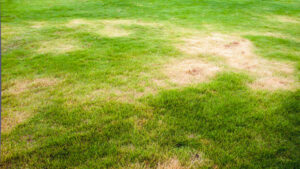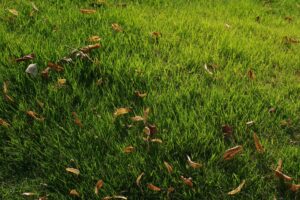
As the last patches of snow melt and the chill starts to lift, lawns across Warminster begin to wake up. March might still bring a few cold mornings, but early spring is officially here, and it’s the right time to check your yard for signs of life. After going dormant all winter, your grass should slowly start bouncing back, but not every lawn recovers at the same pace.
Knowing what healthy progress looks like can make spring lawn care feel a little less uncertain. If you can spot early signs of recovery, it’s easier to catch issues before they grow into bigger headaches. Whether you’re looking after a small yard or a bigger property, noticing what’s normal (and what’s not) saves time later. Hiring a trusted lawn care service in Warminster can come in handy once you know what to look for.
What Spring Grass Should Start to Look Like
Cool-season grasses are common in our area of Pennsylvania, so they usually wake up fast once warmer days arrive. When these grasses begin to recover, the first thing you’ll notice is more green. Not a full carpet, but small green shoots starting to push through the brown. Those are fresh blades growing from roots that made it through winter in good shape.
Some spots will bounce back faster than others, and that’s okay. Areas that get more sun usually warm up quicker, which helps the soil support new growth sooner. Shady or low-lying parts of the yard may take an extra week or two to catch up.
Here are a few signs that tell you your lawn is on the right track:
- Small green patches spreading across previously dull or faded areas
- Old brown blades breaking down into the soil and making space for new growth
- A consistent color that slowly becomes brighter and more even
These early changes don’t happen overnight, but each one is a step toward a strong season of growth.
Signs Your Lawn Made It Through Winter Well
A healthy recovery from winter starts with the roots. Even if the grass looks dry or flat from above, strong roots beneath the soil are a good sign. If your yard held its shape and stayed mostly intact through the colder months, chances are it’ll bounce back fully with a little help from spring sunlight and moisture.
Here’s what to look for as a sign of a healthy winter recovery:
- Not many bare spots where grass has thinned or disappeared; grass should cover most of the yard, even if it’s not bright green yet
- Fewer yellow areas; while some yellowing is normal, it should start fading quickly once growth kicks in
- Almost no signs of snow mold or gray fungal patches; the lawn might have flattened spots, but they shouldn’t look matted, torn, or greasy
Lawns that made it through winter in good shape tend to respond to warmth fast. Grass begins to stand up straighter, and new blades appear without needing much help.
Warning Flags That May Need More Attention
Even a lawn that looks okay at first glance can have spots hiding trouble. And if something doesn’t look right now, it might get worse once warm weather sticks around. Paying close attention early can help fix small things before they spread across larger sections of your yard.
These common trouble signs might mean a little extra care is needed:
- Areas that stay soft or muddy long after snow has melted
- Grass that looks the same week after week, no sign of green showing, even with warmer days
- Uneven color or thickness in certain parts, especially by sidewalks or places where snow was piled up
Some of these problems can come from excess salt, ice damage, or compacted soil. Shade from nearby trees can cause other sections to lag behind. If you’re uncertain, flag these spots so you can check if they improve in the weeks ahead.
How a Local Lawn Expert Can Help Strengthen Recovery
Sometimes, even when we spot the trouble spots, it’s hard to know what to do next. That’s where expert help makes a real difference. A trained eye can often tell the difference between natural delays in growth and more serious lawn problems. When you work with a lawn care service in Warminster, you get advice backed by local knowledge, right down to the neighborhood soil and weather patterns.
Here’s how expert support can lead to a better recovery:
- Spotting signs of compaction or drainage trouble before they spread
- Knowing when it’s time to reseed thin spots or feed the lawn for added strength
- Making sure spring mowing and cleanup are timed to boost grass health, not stress it
What feels like guesswork on your own becomes a clearer path forward when local professionals take a closer look. That way, your lawn keeps gaining momentum instead of stalling out just as growing season takes off.
Keep Your Yard on Track This Spring
Spring doesn’t wait long to switch from mild to warm, and getting ahead of changes now can pay off through the whole growing season. One of the most useful routines is simply walking the yard every few days and noticing the changes. Recovery takes time, but if you know what signs to look for, it’s easier to stay ahead of any problems.
Catching those early signs, both good and not-so-good, gives your lawn a better shot at a solid bounce back this season. Paying attention now means fewer surprises later, and a better chance your yard stays full, green, and growing strong through the rest of spring.
Not seeing your yard bounce back the way you’d hoped this spring, and unsure what steps to take next? We can help get things back on track. Local knowledge matters when it comes to knowing when and how to treat different types of grass after a tough winter. Working with a trusted provider of lawn care service in Warminster gives your turf the best chance to grow healthy and strong. At Jamison Lawn Care, we focus on what your lawn needs when it needs it. Give us a call to get started.