It’s easy to look out your window in the middle of winter and think your lawn is just fine. Nothing is growing, snow might be on the ground, and spring feels far away. But under the surface, your grass could be quietly struggling. Cold temperatures, moisture, and foot traffic all leave their mark during the off-season. If we catch signs of winter lawn stress early, we can make sure small issues do not turn into major setbacks by spring.
Lawn maintenance services can play a big role in noticing problems that are not always obvious. By paying attention to how lawns react during winter, we can help them come back greener and healthier when the weather warms up again.
Common Signs of Snow Mold
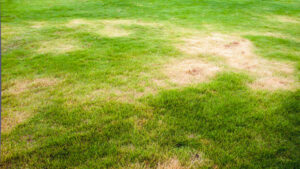
Snow mold is something we usually notice when the snow starts to melt. It appears as tan or gray patches on the grass, especially in places where snow sat for a long time without melting. It might look like dead or matted grass, and in some cases, you can spot a faint cotton-like coating over the patches.
This often happens in areas with poor drainage or where fallen leaves were left in place before the first snow. When moisture stays trapped between the ground and a snow layer, it creates the perfect setting for fungal growth.
Here are a few signs to watch for as winter winds down:
• Pale or gray spots that look wet or slimy
• Matted patches that stay flat after the snow melts
• Weak or thinning areas in shady or low-lying parts of the yard
Snow mold does not always require heavy treatment, but it can lead to thinning grass if not cleaned up in early spring. Recognizing it now gives us time to plan a simple fix before the growing season gets busy.
Damage from Foot Traffic and Frozen Soil
Frozen ground and hidden stress under snow are a recipe for lawn trouble. Many of us take simple shortcuts through the yard in winter, especially when walkways are icy or blocked. But when the soil is frozen, the grass blades and crowns beneath become brittle.
Stepping on frozen turf can crush the very base of each grass plant. In that state, there is no springy surface to cushion the pressure, so the blades break and the soil compacts. It might not look like anything happened right away, but over time, these spots can struggle to bounce back.
Here are the symptoms commonly seen in problem areas:
• Thin paths worn into the lawn along walkways and driveways
• Grass that lies flat well into spring without greening up
• Uneven color or texture where the soil was repeatedly compacted
These symptoms show where winter movement has pushed the lawn past its comfort zone. By knowing where the weak spots are now, we can decide how much attention they will need later on.
Salt and Chemical Stress Near Walkways
Every winter, we rely on melting salts to keep steps and driveways clear. But those products do not always stay on hard surfaces. As snow melts, salty water runs onto nearby parts of the lawn, soaking in and affecting the roots.
Salt draws moisture out of the soil and out of plant roots too. This leaves the grass dry and stressed, even in winter when it is not growing much. Over time, this stress can show up as yellow or brown tipping, or in rough patches that do not start growing when warmer weather arrives.
Trouble spots usually show up in these areas:
• Lawn edges near driveways, sidewalks, and street curbs
• Sloped areas where salt runoff pools
• Low spots that hold water as snow melts
If we do not catch salt stress early, those areas may stay sparse when the rest of the yard greens up. Paying attention now gives us a better chance to fix the soil before reseeding becomes necessary.
Thin or Bare Spots from Animal Activity
Winter does not just bring snow. It also sends local wildlife looking for food and shelter. Sometimes, our yards become part of their winter routine. Mice, moles, and other small animals can tunnel under snow and disturb grass as they search for food. Their activity might be out of sight until the snow melts, but by then the damage is done.
In early spring, these signs are common:
• Small tunnels or trails in the grass
• Patches where the turf looks lifted or disturbed
• Bare spots that will not grow back without help
Pets might cause damage too, especially if they follow the same outdoor route during snowy months. That repeated pressure can mash down grass and create bare strips where nothing grows.
It helps to keep an eye out for this type of stress early on so we know whether targeted fixes or bigger repairs are needed when the ground warms up.
Why Timing Matters Before Spring Arrives
Winter damage might look small now, but it can cause slow growth, patchy color, and weeds once spring begins. The sooner we notice signs of stress, the better we can put a plan in place to get the lawn back on track.
We do not always fix cold-weather damage in February, but we can spot where work might be needed, gather supplies, and prepare a schedule for early spring.
Here is why timing is important:
• Stress left alone gets worse once temperatures rise
• Many spring weed problems start in thin or weak spots from winter
• Early signs make planning future lawn maintenance services easier
We keep track of how the yard held up through the cold, and that helps us put a plan together long before the season is underway.
Give Your Grass a Stronger Start
Winter lawn stress does not always grab your attention right away. But by the time spring arrives, the signs are clearer. Grass that looks slow to wake up might have been hit harder during the cold months than you thought.
We check for the kinds of damage that happen quietly, like foot traffic bruises, salt stress, or snow mold, and we pay extra attention to edges and high-traffic corners of the lawn. This helps us stay ahead of new weeds and thinning grass as the growing season begins.
Spotting problems now gives us time to respond with a plan that sets the lawn up for stronger, more even growth. With an early look, we avoid the scramble to fix a yard that is already behind once April comes around. Our goal is to give the grass a better shot at returning thick, green, and steady in the months ahead.
If winter has left your lawn looking worn down, uneven, or slow to recover, now is a great time to start thinking about your next steps. Getting ahead of patchy areas, salt damage, or matted spots can make a big difference when the warmer weather returns. We take time to assess each yard and spot what needs attention before new growth begins. Our aim is to help your grass grow back stronger and more evenly with regular support and seasonal care. For details, see our lawn maintenance services or contact Jamison Lawn Care to schedule a consultation.