If you’re in Warminster and looking out at your snow-covered yard this February, lawn care might not be the first thing on your list. But believe it or not, this is the month where spring-ready lawns really begin. The shift from frozen ground to soft, workable soil kicks off quietly, right before your grass even looks like it’s growing. This is the sweet spot for feeding it right. Hiring a lawn fertilization service in Warminster can help line up the timing just right, so the ground is ready once temperatures rise. At Jamison Lawn Care, our fertilization programs use granular, slow-release fertilizer combined with liquid weed control to support cool-season lawns in our Pennsylvania climate. Planning now leads to stronger growth later, without the rush of trying to fix problems in April. We’re going to walk through how it works, why it matters, and what’s happening underneath your feet as winter winds down.
Why February Fertilization Matters in Pennsylvania
February feels like we’re still deep in winter, but the soil has started shifting behind the scenes. Even as the snow lingers, longer daylight hours and a few warmer days begin to change soil conditions. Roots are still alive beneath the surface, and they’re quietly waking up, looking for food.
Getting nutrients into the ground now gives your lawn a better chance to respond when spring temperatures roll in. Here’s why this timing works well:
• The soil is just starting to loosen up, which helps fertilizer seep down to the root level.
• Feeding early strengthens root systems before the top growth speeds up.
• Waiting until March or later may not give the roots enough time to process nutrients before the growing season gets busy.
Once the warming picks up, roots begin to function more actively. Having nutrients already in place gives them a head start. Miss this window, and your lawn can lag behind, especially if winter stress has already done some damage.
For lawns in Warminster, this means the first push toward healthy growth happens out of sight, just beneath the soil. Even with some remaining snow or frost, a well-timed fertilizer application starts to move those nutrients closer to the roots. As the days get longer and the ground thaws out a bit more, having the nutrients available early means the turf starts the season stronger and better able to compete with pesky spring weeds or bare spots.
How Winter Weather Impacts Your Lawn’s Health
Winter might seem like a time when lawns just sit still, but the reality is they go through a lot. The weight of snow, freezing and thawing, and salt runoff from walkways can all stir up problems. That means your lawn could be starting spring weaker than you expected.
Here’s how winter tends to affect yards in our area:
• Snow piles melt and refreeze, which compacts the soil and flattens grass blades.
• De-icing salt can seep into the root zone, drying it out and harming the plant.
• Walking on frozen grass puts stress on the turf, bruising it below the surface.
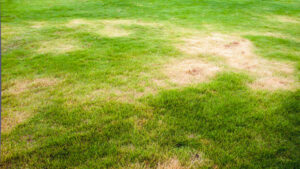
While the damage isn’t always visible in January, it begins to show as the snow disappears. You might notice grass that feels spongy or thinned out, or areas near walkways where salt left burn marks on the blades. Compacted soil can leave roots struggling to find air and water, resulting in weak starts when spring arrives. Patchy areas may appear, especially where snow sat in thick piles or where people walked across the lawn when it was frozen.
That’s why February is key. This is the time to look over your yard with fresh eyes and get a sense of how it handled the cold months. Some areas might need special attention, and starting early gives you the chance to manage that before it spreads.
What Early Fertilization Really Does for Your Yard
March and April get all the credit for growth, but February is when prep work makes the difference. Early fertilization isn’t about making grass grow faster right away. It’s about supplying steady nutrients that will be available once the lawn is ready to use them.
Here’s how early fertilization helps:
• Slow-release nutrients are added to the soil, so roots can take them up over time.
• Winter-weakened turf starts building strength, making it less likely to be overtaken by weeds in spring.
• A steady nutrient base encourages even growth height when mowing starts, reducing stress on blades and roots.
Winter stress leaves lawns hungry and vulnerable, but slow-release fertilizers work gradually. They stay in the soil as the ground thaws and roots become more active. This means by the time you see green shoots or new blades, the nutrients are already waiting, and the roots have had time to soak them up. This head start lets grass repair any hidden damage before warm weather sets off a surge in new growth.
Rather than trying to play catch-up in April, starting now gives your lawn a cue to begin healing and rebuilding. It won’t green up overnight, and that’s the point. The roots do the work early, so the top growth looks fuller and stronger when it’s time.
Why Timing and Local Experience Matter
Not every yard reacts the same way, and not every winter hits with the same force. That’s where knowing the area comes in. Grass types in Warminster respond differently to temperature swings, and soil conditions can vary from one neighborhood to the next.
That’s why a lawn fertilization service in Warminster has the advantage of local knowledge. For yards around here, February isn’t just early. It’s the right moment to act before weather patterns shift quickly again. Here’s how experienced help makes a difference:
• We know which fertilizers pair well with the soil pH and grass types common to this region.
• We follow schedules based on local seasons, not just a national calendar.
• We avoid applying too much fertilizer too soon, which can stress the lawn or cause runoff.
Our Economy, Midrange, and Premium fertilization packages each include five visits spread through the growing season, so getting on the schedule in February helps line up your first application before spring growth takes off. Timing is really about reading what the ground is telling us. February gives us that first opportunity to respond while there’s still enough runway before the warm-up takes off.
With local professionals, your yard benefits from approaches that fit Pennsylvania weather patterns. A customized plan, delivered at the right time, lets your lawn take on whatever the rest of winter and early spring bring. It’s about working with the timing, not against it, so your grass gets the right start, every year.
Groundwork Now, Greener Lawn Later
A little attention in February can lead to easier maintenance all spring and summer. Instead of spending early April patching spots or treating weeds, you spend it watching the lawn thicken up and settle in. It’s one of those quiet wins that makes things easier later.
Starting early allows roots to feed when they’re ready, not when it’s already too late. With the right support, grass holds moisture better, stays more even after mowing, and comes in thicker, which naturally pushes out weeds. When spring shows up on the calendar, your yard will already be one step ahead.
Taking these first steps early on in the year provides peace of mind and a sense of accomplishment as winter comes to a close. The effort you put in now paves the way for a lush, vibrant lawn that handles the demands of Pennsylvania’s spring and summer. Consistent care, especially when planned before the rush of spring, saves headaches down the line and helps your lawn recover from the long months of cold.
Seeing early signs of life in your Warminster yard signals it’s time to plan ahead. The ground shifts, roots awaken, and timing matters. A well-timed boost from a trusted lawn fertilization service in Warminster can help your grass recover from winter and grow stronger as spring approaches. At Jamison Lawn Care, we know how to align our work with local conditions so your lawn has a better chance at fresh, even growth. Give us a call to get your early-season plan started.