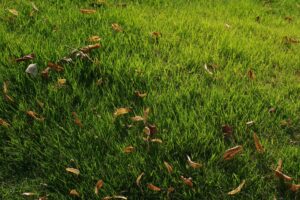
After a long Montgomery County winter, most lawns do not look their best. Once those piles of snow finally melt, what is left behind is often far from green and healthy. Crushed blades, soggy patches, dull color, and bare spots are common sights in late January. It is normal to feel a little overwhelmed looking at a lawn that seems like it was buried for months.
We have seen what winter can do. A little attention right now can set things up for a strong recovery. If you are wondering where to start with lawn restoration in Montgomery County, this guide will walk you through it step by step. With some patience and the right timing, your lawn can bounce back when spring begins to warm things up.
Why Snow Piles Cause Lawn Trouble
Snow might look soft, but when it piles up on a lawn over several weeks, it acts more like a heavy blanket. It presses grass flat, blocks sunlight, and traps moisture close to the soil. That is when the real problems start.
Here is what often happens under piles of snow:
• Sunlight cannot reach grass, so it stops growing and turns pale or brown
• Weight and lack of air flatten the blades, making it harder for grass to bounce back
• Excess moisture in shady areas can create mold, rot, or mushy spots
The worst damage usually shows up along driveways, sidewalks, and curbs. Snow gets plowed to those edges regularly, building up into compact walls that take longer to melt. That gives the grass underneath less airflow for longer than the rest of the yard. In these places, snow can be packed tighter, creating icy spots and making it even harder for grass to get the air and sun it needs to recover.
Clean-Up Comes First
Once the snow starts melting and the ground begins to thaw, it is tempting to jump right into fixing things. Before anything else, the first step is careful clean-up. Getting rid of leftover debris helps your lawn start fresh and allows you to clearly see where the damage is.
Start slow and steady:
• Use a leaf rake to pick up twigs, leaves, and any leftover patches of snow
• Look closely for signs of damp, matted, or moldy grass, and gently remove those sections
• Let the ground dry out before walking across it too much (wet soil gets compacted easily)
It’s important not to rush early clean-up. Stepping on soft ground or digging too soon can make things worse, pressing the soil down and making it harder for grass roots to breathe and grow. Waiting for a few warm, sunny days helps dry the soil and makes cleanup easier and smoother. If you get an early stretch of milder weather, take advantage of it, but never work on a lawn that feels soggy or mushy underfoot. This patience helps keep the soil loose and healthy for the next steps.
Checking for Damage and Making a Plan
After tidying up, it is easier to spot which parts of the lawn need attention. Some areas will look mostly fine, while others may be bare, brown, or uneven. A simple walk-through can help shape the plan ahead.
We recommend checking for the following:
• Dead patches that show no sign of green or new growth
• Thin or trampled areas that got the most foot traffic over winter
• Soil that feels packed down or does not drain well
You might feel tempted to reseed everywhere right away, but it is a good idea to only focus on what needs the most help. Checking for soft spots can keep you from sinking into the ground or hurting any new roots that are just starting to grow. Lightly tap the surface with your shoe in different places to check for overly soft or still-frozen ground. Take a look around trees and walkways too, since these areas often show early signs of trouble.
Not everything needs to be fixed right away. Some of it can wait for spring. If you want to get a head start, this is the perfect time to look into lawn restoration in Montgomery County. Having a plan gives you something to work with so you are not left guessing once the weather warms back up. Making a list, marking out rough spots, and even snapping a few photos with your phone can help you remember where special attention is needed later.
When and How to Help Grass Grow Back
Even if your yard looks worn out now, grass can start growing again once it gets what it needs. The timing has to be right for new seed to take hold. Rushing this step can waste time and effort.
Here is how we approach seeding and grass recovery:
• Give it a few weeks after the last frost before planting anything
• Pick grass seed that fits both sun and shade areas in your yard
• Avoid overwatering early on, once or twice a week is usually enough while roots get going
Cool-season grasses do best in this region, but always check the seed mix to find what matches your yard’s blend of shadows and light. Watering too often when it’s still cool outside can lead to disease or rot, so let the soil dry on top between waterings. Gently press seeds into the surface without burying them too deep so they can start to put out roots the moment the weather cooperates.
Many people try to overseed too early, thinking it will speed up the process. We have found it is better to wait for daytime temperatures to stay above fifty and frost threats to pass. That makes it easier for seed to take root and grow strong. Once the grass starts to sprout, keep foot traffic away for a few weeks, even if it means putting out small signs or ropes to remind others in your household to stay clear. The extra care now pays off quickly once spring growth really gets going.
Aeration and Soil Boosts for Long-Term Recovery
Lawns that spent all winter under heavy snow can end up with soil that is hard and tight. Roots cannot spread out as well, and water has a tougher time soaking in. That is where aeration and compost really come into play.
We support spring recovery with the following steps:
• Aerate the lawn to open up pathways for air, water, and nutrients
• Add compost to improve the soil and give roots more energy
• Always check that the ground is completely dry before starting any soil work
Aerating helps bring old, packed-down soil back to life, and compost gives young grass a quick snack as it starts to grow again. For small yards, this can mean using a simple handheld aerator. In larger spaces, plug aerators work best, creating tiny holes in the soil and giving seeds and roots room to stretch. Spread compost evenly, but keep the layer thin so you don’t smother young sprouts.
Timing here makes a big difference. Trying to aerate when the soil is still soggy can tear up grass and make things worse. Letting things dry out and warm up gives the best base for healthy regrowth. If you’re ever unsure, wait until you can walk across the yard without leaving footprints behind. Healthy soil feels springy but not mushy under your feet.
Get Your Lawn Ready for a Strong Spring
Winter may leave your lawn looking rough, but it does not have to stay that way. A few small steps taken now can help tired grass grow back stronger and greener. From gentle clean-up to smart planning, each part of this process brings your yard closer to recovery.
Even if patches of snow stick around in certain shady spots, working on the parts you can reach starts the recovery early. Checking for damage, giving the ground time to dry, and treating bare spots with careful seeding warms up the growing season before it even arrives. As days get longer and the air turns warmer, you’ll see positive signs all across the yard.
The snow might stick around a little longer in some spots, but acting early gives your lawn the chance to wake up ready. By focusing on care, timing, and letting the soil recover, we get a head start on the season ahead. Spring is not far off, and your lawn can be ready for it.
A lawn showing signs of winter stress means it is time to act before spring growth kicks in. We have seen how weather can affect early grass recovery, especially in high-traffic areas. When cleanup and basic care are not enough, our approach to lawn restoration in Montgomery County can bring back thickness and color. We focus on timing, soil health, and effective seeding methods that suit the local climate, so contact Jamison Lawn Care today to get your yard back on track.