Winter can take a real toll on lawns, especially in places where freezing temperatures stick around for much of the season. Snow piles up, foot traffic keeps coming, and before long, patches of grass get worn down to bare soil. When the ground is frozen solid, it might seem like there’s nothing that can be done. But with the right steps, we can still start getting those spots ready for new life. Lawn care sod installation gives us a reliable way to fill in problem areas as soon as the weather allows. The good news is that we don’t have to wait for spring to begin preparing. Let’s break down how to restore those bare patches now, even if the soil is still frozen.
Checking the Condition of Your Lawn
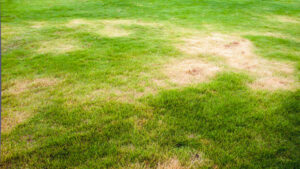
The first thing we do is take a close look at the yard. Walking the lawn after a snowfall or thaw is the best way to spot trouble spots. These show up as patches where grass is completely gone, deeply matted, or looks pressed down in unnatural ways.
Sometimes areas just appear brown because the grass is dormant, which is normal in winter. But if the blades are torn, missing, or the soil underneath feels uneven or overly compacted, it’s likely more than just seasonal rest. Here are a few common signs that a patch needs more than time to heal:
• Deep grooves or ruts from snow plows
• Spots with repeated foot traffic where grass stopped growing
• Places where melting snow pooled and froze again, suffocating the turf
By inspecting these now, we can target exactly where new sod will be needed.
Why Sod Over Seed in Frozen Areas
It’s tempting to think about throwing down seed to solve the problem, but cold, frozen soil makes seed almost impossible to work with. Sowing grass in frozen ground usually means it won’t germinate or survive.
That’s where sod has a big advantage. Sod gives us a mature patch of grass that’s already growing and rooted together. It skips the wait time and helps prevent further soil erosion. In areas where the cold has already done real damage, sod works like a soft patch: it covers quickly, fills in holes, and blends into the existing lawn with fewer setbacks.
We can’t lay sod just yet, but preparing early gives us everything we need so as soon as warmer weather shows up, we’re ready to go. Planning now lets professionals get started when the soil begins to thaw.
Preparing Frozen Ground Before Installation
Just because the soil is rock hard doesn’t mean we can’t do anything. Prep work now makes a big difference later. The focus should be on clearing out anything that might slow us down when it’s time to install.
Here’s what we can tackle during winter:
• Gently remove any chunks of leftover snow or ice from bare patches
• Rake up old debris, leaves, or mulched plant matter that might be covering thin spots
• Visibly mark problem areas using pebbles, small flags, or other safe indicators
By setting the stage now, we avoid delay and confusion once the weather shifts. It’s a smart way to turn a slow season into something productive.
How Professionals Install Sod Once the Ground Softens
Come late February or early March, temperatures begin to rise just enough for the top layer of soil to soften. That’s usually when sod work can begin. Once conditions allow, professionals break up the hardened surface, level the area, and begin prepping the soil base.
Work is timed carefully. We watch temperatures and study local patterns to schedule lawn care sod installation for best results. Tools like sod cutters, rollers, and water systems are ready to go. Once the sod is laid, it gets pressed into the soil and watered to help the roots start connecting right away.
This early-season window is great. Sod settles in before weeds take over. Lawns bounce back nicely once spring hits if work is done just as the freeze starts to lessen.
What to Expect After Sod is Installed
After the sod is put down, it might look finished on top, but there is still activity happening below. The roots begin to push into the soil little by little. During cold months, growth is slower, but it doesn’t stop completely.
To help things take hold, we keep a light eye on watering. Once daytime temperatures stay above freezing, we soak the surface with short watering cycles. This supports new root growth without overdoing it.
We also keep traffic off any new sod. It’s tempting to check on it or walk across the yard, but leaving new areas alone gives the roots a better chance to grab on. If the corners begin lifting or the pieces shift, those are signs it might be drying out or not bonding well.
Stronger Spring Starts with Winter Planning
Getting a jump on lawn repairs in winter doesn’t feel natural at first, but it makes sense when bare patches keep showing up year after year. Starting the prep, watching the layout, and clearing off problem zones helps us get started once spring rolls in.
Planning lawn care sod installation now means less stress and fewer surprises when warmer days return. By making room for new turf ahead of time, we create better chances for healthy, full lawns without having to scramble later or redo work. Even during the coldest weeks, winter can still be the first step to greener grass.
After a harsh winter, there’s still time to plan for a smoother recovery and fuller grass when temperatures rise. We know that early prep and the right strategy make a big difference once the soil thaws. For patches that won’t bounce back on their own, professional help with lawn care sod installation can speed up results and save time in spring. At Jamison Lawn Care, we’re ready to help you enjoy a thriving yard in the upcoming growing season. Give us a call to get started.