During winter, it might feel like lawn care gets put on hold. The ground is frozen, the grass is barely visible, and there’s not much growing right now. But even when things look calm, root-level problems can be building up out of sight. One of those problems is soil compaction. This happens when the soil gets packed so tightly that water, air, and nutrients can’t reach the roots.
If we wait until spring to notice compacted areas, it could be too late to fix things in time for strong growth. Recognizing the signs early puts us in a much better spot. Planning for core aeration and seeding now, before the weather warms up, gives our lawns a stronger start when the thaw comes.
What Is Lawn Compaction and Why It Happens
Soil compaction is a slow and sneaky problem. It develops over time, without much warning, and by the time patchy spots show up in spring, the damage is already done. Compaction usually forms from:
• Repeated foot traffic, kids playing, pets running, or people using the same path over and over
• Heavy equipment, snow blowers, mowers, or construction vehicles pressing down on the yard
• Winter snow, layers of snow weighing on already stressed turf
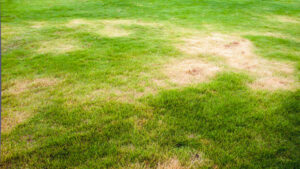
Once compacted, the lawn struggles to take in moisture. Water often pools in those spots instead of soaking in. The grass growing there tends to look thin or weak. In some cases, it could feel almost crusty underfoot. Even though the ground is frozen now, the early signs aren’t impossible to spot.
Frozen soil will naturally be hard, but if certain parts of the yard feel tougher or more packed than others, that could be a clue. The same goes for areas where the snow doesn’t seem to melt evenly or where the ground has standing water for days after a thaw.
Winter Clues That Point to Soil Trouble
Mid-winter isn’t just a waiting period. It’s a chance to quietly study what’s happening before most people start thinking about grass again. Spotting compaction during this time is all about looking for patterns or changes in how the yard responds to weather and foot traffic.
Here are a few signs that often show up during winter:
• Some spots on the lawn stay icy or slick long after the rest of the yard has dried
• The snow melts faster in some places and not at all in others, suggesting uneven soil conditions underneath
• Walking across part of the yard feels like stepping on concrete, while other areas seem soft or slightly springy
• Grass that lurks under the surface doesn’t bounce back or shows signs of sinking into the soil
These are all quiet red flags pointing toward soil that’s holding too much weight and not enough space to breathe.
What you might notice are areas where the snow never seems to go away, even after days of sunshine, or low spots that turn to mush while the rest of your lawn dries up. Sometimes, after a minor thaw, sheets of ice form where normal drainage would keep water moving. Differences like these between parts of your lawn can give you important clues about where compaction is building up. These places can be the “trouble spots” that cause headaches come spring, when grass in those areas lags behind or turns brown before the rest of the yard even wakes up.
Why Timing Matters: Getting Ready Before the Ground Thaws
Even though January isn’t ideal for digging or planting, it’s a smart time to plan. Once spring arrives in Bucks and Montgomery Counties, the schedule fills up quickly and the window for prepping the soil gets short. That makes winter a great time for scouting lawn conditions and figuring out next steps.
When we know compaction is present, we can start planning for help. Core aeration and seeding is most useful when done early in the growing season. This keeps grass from falling behind. Healthy, aerated soil warms up faster and hosts stronger roots, which means less stress when the growing season kicks in and more even color when spring rolls around.
Spring brings a rush of growth, but missing the early chance to fix compaction allows the problem to keep building. By spotting compacted areas and talking to a professional now, you’re more likely to get on the schedule early, and professionals can act as soon as the ground is workable. While it may not seem urgent, waiting too long can mean suffering through another season of patchy grass and uneven growth.
What Happens During Core Aeration and Seeding
Once the ground softens, early core aeration clears the way for better root growth. The process works by removing small plugs of soil across the yard. These holes let air and water move more freely and give roots room to grow. Lawns that have been compacted for years see faster recovery after aeration.
We often follow with seeding, especially in bare or uneven areas. This part helps boost lawn thickness and fill problem spots. Seeds settle into the freshly opened soil and have a higher chance of taking root. Heat from early spring sun, combined with opened-up ground, leads to stronger germination. At Jamison Lawn Care, we provide overseeding services throughout Bucks and Montgomery Counties, using either a fescue blend for newer lawns or a Kentucky bluegrass blend for established turf so new growth blends well with your existing cool-season grass.
Core aeration and seeding is one of the best ways to jump-start a lawn that’s been stuck under ice or snow for months. It wakes the soil up in the right way, giving young grass the soft, light ground it needs to grow tall and strong.
The aeration process itself is gentle, not harming existing healthy grass but creating those little pockets that will allow water and nutrients to reach the roots where they are most needed. When overseeding is done next, it ensures that new grass gets the best possible environment to take off. Instead of fighting compacted, cold earth, those seeds have room to grow, getting the early advantage as temperatures rise and daylight lengthens.
Boost Your Lawn’s Spring Start by Looking Now
Catching soil compaction before the snow begins to melt puts us ahead. Waiting until the lawn is in full view often means lost time and harder recovery. By noticing frozen trouble spots now, we’re in a better position to schedule help as early as possible.
It’s much easier to bring a lawn back when the damage is limited. A little early effort has a big payoff. Planning in winter keeps things running smoothly into March and April. Airy, loose soil becomes the foundation for healthy spring growth and richer grass color. Getting a head start means fewer setbacks and a greener, stronger yard.
As winter winds down, keeping an eye on your yard’s changing conditions can give you the information you need to act quickly. Signs that were easy to miss in the busy summer or fall become clear against the plain backdrop of dormant grass and melting snow. If you do see pools of water, compacted footprints, or areas where grass will not spring back, you know there’s something happening beneath the surface that needs attention. Getting ahead doesn’t mean breaking out all the tools right now, but it does mean having a plan in place, lining up a professional you trust, and being ready to move as soon as the season shifts.
Noticing frozen patches or uneven melt patterns in your yard signals it’s time to prepare for early spring care. One of the best ways to revive compacted soil and boost new growth is through core aeration and seeding after a long, icy winter. Getting ahead during colder months lets the soil recover and sets your lawn up for a healthier growing season. Jamison Lawn Care is here to help you reset your lawn when the time is right. Contact us to schedule a service or discuss your early spring lawn care plan.