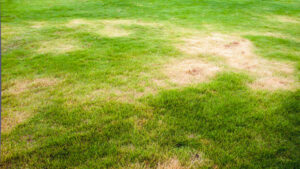
A dry, compacted lawn in early spring is no fun to look at, especially after months of cold temps and little growth. That’s where core aeration comes in. By loosening up the soil, core aeration gives your grass roots room to breathe and helps moisture get where it needs to go. But doing it in winter, while the grass is still dormant, takes extra care. Chilly conditions and resting roots mean the process has to be handled with the lawn’s timing in mind. That’s where using a professional core aeration service can make a big difference. When done right, it sets the stage for thick, healthy growth when spring rolls around.
How Dormant Grass Reacts to Lawn Work
Once grass goes dormant, it shifts into rest mode. This usually happens when temperatures stay cold for several weeks in places like Bucks and Montgomery Counties. Grass halts active growth, turns pale or brown, and focuses on conserving energy underground.
Because it’s not actively growing, the blades and roots can be more sensitive to stress. Running heavy equipment or doing too much work on the surface can lead to tearing, thinning, or weakened patches that take longer to bounce back.
That said, aeration can still be helpful during this down period, but it depends on doing it with a light touch and being mindful of ground conditions. Timing matters, but so does technique. When the soil is soft enough to allow plugs to lift cleanly and not rip the turf, the process can help set up strong grass recovery just as the weather starts to warm again.
Winter Conditions That Affect Core Aeration
Pennsylvania winters bring a mix of snow, ice, and frozen soil. These conditions don’t just affect whether you want to be outside; they impact how your lawn responds to aeration.
Here’s what can influence the outcome:
• Frozen ground can make plug removal nearly impossible and may cause equipment to skip or bounce across the surface.
• Snow cover can keep soil temperatures too low, delaying any benefit aeration might bring.
• Wet or thawing soil can lead to compaction if walked or rolled over while sod is soft.
Even a few warm days in January don’t always mean the ground is ready. It needs to be soft enough to accept slicing tools but firm enough not to collapse or smear during the process. Since conditions change quickly, it’s easiest to watch the forecast and pick your moment with care.
As winter progresses, some yards may experience cycles of thawing and refreezing that make the soil structure unpredictable. This can further complicate the timing for core aeration. Homeowners who are monitoring their lawns might notice certain low-lying areas remain soggy while raised patches dry out faster, and this variance affects the effectiveness of the aeration process. Understanding these micro-conditions can help prevent accidental damage to weakened spots and support more even recovery across the entire yard.
Smart Timing for a Softer Lawn Start in Spring
Even if core aeration won’t happen until late winter or early spring, planning ahead helps avoid sudden decisions right before the season turns. Getting ahead now makes sure your lawn is ready to bounce once temperatures rise.
Here are a few smart steps to make timing work on your side:
1. Walk your yard in mid to late winter to feel how firm or spongy the ground has become.
2. Pay attention to sunny spots that thaw earlier than shaded areas where ground stays hard longer.
3. Stay tuned to weather patterns so you can aim for a stretch of days that helps the yard dry out gradually, not all at once.
When in doubt, a professional core aeration service knows when local soil has reached the right moisture and temperature levels for gentle treatment. That way, your grass wakes up to a breathable base with room to grow.
Preparation also means checking for any leftover fall debris that could block tools or create uneven results during aeration. Clearing leaves, twigs, and thatch before scheduling the service ensures uninterrupted contact between the aerator and soil. It can be beneficial to use a rake for a light clean-up so the equipment performs optimally and the soil surface is accessible for plug removal.
Techniques That Prevent Damage to Dormant Lawns
When working on dormant grass, every step counts. A rushed approach or old tools can do more harm than good.
Here’s what careful work usually involves:
• Sharp, clean aeration tools that pull uniform plugs without ripping the turf along the way
• Light, shallow passes to open up the soil without upsetting the roots
• Avoiding overlapping or double-passing the same area too soon
After aeration, the surface may look bumpy or a bit open, but that’s where the air exchange starts and water filters down. It’s best to stay off the lawn for a few days, especially while temperatures stay near freezing. That extra space gives the ground time to settle and breathe before everything starts growing again.
Careful technique also means observing how the soil and grass react as the work progresses. If plugs start coming up unevenly or grass pulls loose, it may signal the ground is too saturated or frozen, and it’s best to pause until conditions improve. Operators of aeration equipment should avoid making tight turns, which can gouge the turf and cause extra stress on dormant blades. Utilizing the correct machine settings and ensuring each pass is at the right depth are small steps that help keep the underlying roots protected during wintertime interventions.
What to Expect After a Winter Aeration
Once your lawn is aerated in winter, don’t expect a dramatic overnight change. Most of the work takes place underground where you won’t see it yet. But trust that the effort is already helping.
Right after aeration, the yard may have visible plug holes. That’s a good sign; it means the cores were pulled cleanly. Snow or rain might wash them down gently, and earthworms help break them down too.
As spring rolls in, new roots take advantage of the open paths left behind. Over the next few weeks, grass starts greening up, with stronger blades and thicker patches filling in spots that once looked tired.
To keep the lawn healthy:
• Avoid heavy foot traffic until growth is consistent
• Hold off on fertilizing until weather and ground temps rise
• Keep an eye on runoff or pooling that could disturb the holes before they close naturally
A light hand paired with mindful care makes winter aeration work quietly but effectively behind the scenes.
Expect to see subtle improvements at first, such as more even drainage and less standing water after heavy precipitation. As the seasons shift, these early benefits amplify, supporting dense, lush turf by late spring. Observing how the grass gradually fills back in and noting darker green coloration along former plug lines can help you recognize the long-term value of this seasonal maintenance step.
Protect Your Lawn Now for a Stronger Spring
Giving your grass a head start during the colder months isn’t about doing more; it’s about doing it with a little thought. When core aeration fits the weather and lawn conditions just right, it allows the ground to recover gently and sets up your soil for success.
By waiting for the right moment and treating the lawn with care, you help roots stay rested instead of shocked. That patience pays off quickly once the sun sticks around and growth kicks into high gear. Small things like timing, tool choice, and soil checks make all the difference between a sluggish spring and a strong one.
At Jamison Lawn Care, we know how timing and soil conditions can make all the difference when caring for dormant grass. Core aeration done right helps renew your lawn without setting back its natural cycle, and our professional core aeration service in Bucks and Montgomery Counties takes the guesswork out of planning. We’re here to ensure your lawn gets what it needs when it needs it so you can enjoy a healthy, thriving yard. Contact us to plan your aeration schedule.