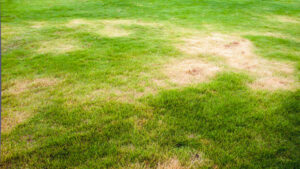
Cold weather might seem like the perfect time to give your grass a little boost before spring. But before grabbing a bag of fertilizer, it helps to slow down and think it through. Fertilizing at the wrong time can do more harm than good, especially when the soil is too cold to cooperate. This is where a professional lawn fertilization service becomes extra helpful. At Jamison Lawn Care, our fertilization programs span the entire year with multiple visits, using a combination of granular, slow-release fertilizer and targeted liquid weed control that fits the needs of cool-season grasses in Pennsylvania. Knowing when to fertilize (and when not to) can keep your grass healthier over the long run. Let’s talk about the common mistakes people make when trying to care for their lawn in cold weather, and how to avoid them.
Taking a Break Isn’t Always Bad
Sometimes, doing nothing is smarter than doing something. Fertilizing in the middle of winter can seem like a good idea, but it usually won’t help your lawn at all.
When the soil gets cold enough, it stops absorbing nutrients the way it does in spring or fall. That means fertilizer just ends up sitting there, unused. And when the ground is frozen, the roots aren’t active either. It’s like trying to feed a plant that’s asleep.
Here’s what to look for when your lawn is dormant:
• The grass has stopped growing
• It looks dull or faded in color
• It feels stiff or crunchy underfoot
Those signs mean your lawn isn’t ready to take in fertilizer. Instead of going into the roots, any product you spread may wash away in the next rain or snowmelt.
Don’t Use the Same Fertilizer Year-Round
Not all fertilizers work the same way, especially when the seasons change. What you use in the middle of July isn’t likely to be helpful in late January.
Cold-weather grass doesn’t need fast-release nitrogen or formulas made to drive quick blade growth. In fact, those mixes can stress out your lawn when it’s dealing with freezing temps. Grass in winter mostly needs to rest, not be pushed into growing.
That’s one reason it helps to use a professional lawn fertilization service. We understand which nutrients are helpful in colder months (and which are not). We look at weather, soil conditions, and lawn type to pick the right product for the job. Our Economy, Midrange, and Premium fertilization packages each include five long-lasting fertilizer applications, paired with seasonally timed weed and grub control to match changing conditions in Bucks and Montgomery Counties.
Avoid Fertilizing Frozen or Snow-Covered Lawns
If your yard is frozen solid or covered with snow, stop right there. This is not the time to fertilize.
When the ground is frozen, the roots underneath are locked up. Fertilizer sprinkled on top won’t go anywhere helpful. Instead, it can run off when the snow begins to melt, washing into driveways, sidewalks, or even nearby drainage areas.
Here’s what happens when you try to fertilize during snow cover:
• The fertilizer sits on top, unable to reach the soil
• Snowmelt causes chemical runoff instead of absorption
• The nutrients never reach the roots, making the effort pointless
Waiting for a break in the weather is always better. Watch for a clear patch of grass and mild air before thinking about feeding your lawn.
Don’t Forget to Water After Fertilizing (Even in Winter)
Even when it’s cold, your grass still needs a little help from water after fertilizing. But be careful. Winter watering is a bit different than what you’re used to in warmer months.
Fertilizer needs moisture to break down and move into the soil, but frozen or soaked ground won’t take it in properly. Aim for a light watering if the weather is dry and slightly warmer, making sure water doesn’t pool or freeze.
Some gentle watering tips for winter days:
• Only water if temps are above freezing
• Use a light spray to avoid puddles
• Choose a day when frost isn’t in the forecast
If the lawn is already wet from melted snow or morning frost, skip additional watering altogether. The soil doesn’t need more than it can handle.
Don’t Guess, Test the Soil First
It can be tempting to throw down product and hope for the best, but that doesn’t usually lead to healthy results. Testing your soil tells you what’s really going on under the surface and what your yard actually needs.
During cold months, lawns can hide all kinds of small issues. Nutrient levels may change, pH might shift, or last season’s fertilizer could still be lingering. A soil test takes the guesswork out of lawn care decisions and helps avoid overfeeding.
Here’s why testing first makes a difference:
• It shows which nutrients are low or out of balance
• It prevents repeated fertilizing when it’s not needed
• It helps plan for spring care based on real data
Spreading more fertilizer won’t help if the soil isn’t ready or doesn’t need it. A test tells you when it’s time to pause and wait for better conditions.
Stay Smart About Cold-Weather Lawn Feeding
Feeding your lawn during winter takes more than good intentions. Timing and temperature both play a big role, and getting them wrong can lead to wasted effort or even damage.
By paying attention to soil conditions and knowing when to pause, your grass can rest and recover during the coldest months. That way, it will be stronger and better prepared once spring arrives.
With a little planning and the right care at the right time, winter fertilizing doesn’t have to be confusing. Avoiding these common mistakes helps create a healthier, greener lawn when the snow finally melts and warmer days return.
Unsure what your grass needs during winter? We are here to help you make the right call with the right timing, soil care, and product choice for cold weather. A trusted partner can guide you through what works best in Bucks and Montgomery Counties, ensuring your lawn rests and recovers for a healthier spring. Learn more about our approach to a professional lawn fertilization service and see how it supports healthy growth year-round. Contact Jamison Lawn Care with any questions or to schedule support for your yard.