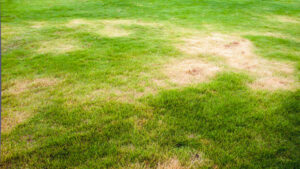
After a long, rough winter, a lot of yards are left looking patchy and bare. Snow and ice sit on top of the grass for weeks, and once it finally melts, what’s underneath doesn’t always bounce back right away. This is when many people notice their yards look dull, uneven, or just plain worn out.
Early spring might seem like the right time to fix it, but by then, the growing season is already moving. Yard restoration needs to start before the weather warms up so the soil can recover, the grass can settle in, and everything has time to grow strong. This early prep work makes all the difference in how a yard looks once spring really kicks in.
Why Winter Leaves Yards Looking Bare
Winter is hard on grass, especially in places that get heavy snow and freezing temperatures. It might not seem that bad from the window, but weeks of cold weather and frozen ground pack on damage little by little.
Some common problems winter causes in yards include:
• Ice and compacted snow crush the grass blades
• Walking on snow-covered lawns presses down the soil, making it harder for air and water to flow
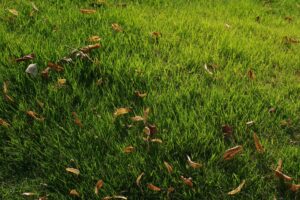
• Wet leaves stuck in corners feed mold and rot
• Low sunlight in winter causes bald or yellow spots to spread around edges, walkways, and under trees
Grass needs light, air, and room to breathe. But in winter, those are the first things to go. When all that pressure builds up over time, we end up with patchy, thin areas that struggle to recover on their own.
Timing Matters More Than You Think
Getting ahead of the season gives your yard a head start. By late March, plants start waking up, but if your soil hasn’t been loosened or cleared, it’s already behind.
Starting yard restoration too late means your grass has to fight to catch up. That’s not what you want heading into a busy spring. By working on it in late winter, we give grass roots a chance to stretch out while the soil is soft and the temps are slowly warming.
Here’s why early timing helps:
• Soil that sits wet too long stays compacted and stale
• Grass seed planted too late struggles to root before hotter weather moves in
• Weeds often take over before young grass gets strong enough to compete
When we stay ahead of these challenges, we set up the whole yard for better growth. And by the time those warmer, sunny days arrive, you’re not playing catch-up.
What Yard Restoration Looks Like Before Spring
Getting your yard ready doesn’t mean doing everything all at once. Restoration is a step-by-step process that focuses on rebuilding what winter has worn down. Even small improvements now can lead to a big difference later.
Here are a few things we focus on:
• Clearing fallen twigs, dead leaves, and leftover debris to stop mold growth
• Inspecting bare or soggy patches to see what needs seeding or soil support
• Lightly raking the grass to loosen thatch without damaging young blades
• Checking slopes and low spots for poor drainage or pooling water
This early work helps create the ideal conditions for healthy grass to return. It’s not about making the yard perfect in one day. It’s about making sure the ground is ready to support new growth when the time comes. For bigger projects, Jamison Lawn Care’s lawn restoration service in this area includes fresh topsoil, overseeding, and covering new grass seed with straw, giving tired lawns a full reset before spring growth takes off.
How Weather in This Area Affects Your Yard’s Bounce Back
Here in Bucks and Montgomery Counties, winters tend to bring a steady mix of snow, sleet, and icy rain. Some days are brutally cold while others melt just enough to turn everything into slush. Then, in March, things shift quickly and new growth tries to break through.
This kind of stop-and-start weather is tough on grass. What’s melted in the sun often refreezes overnight. Shaded spots, like the north side of a house or under thick trees, can stay cold and wet long after other areas have started to dry out.
Because of that, local yard care should follow nature’s lead. When we work with the region’s timing, not against it, the grass bounces back stronger. Being familiar with how long it takes different parts of a yard to warm up helps us give attention where it’s needed most. In low sunlight areas, we might begin restoration sooner or adjust the mix of seed to match the soil’s condition.
Give Your Yard a Head Start on Spring
A well-timed yard restoration gives everything underneath a better chance to thrive once spring arrives. That thin, tired grass from winter just needs a little help and space to rebuild. When we start early, we give the roots room to grow deep and strong before foot traffic and sunny days pick back up.
This kind of head start doesn’t just make the yard look better, it makes caring for it easier in the long run. Healthy grass, strong roots, and level soil lead to fewer issues later on. It’s quieter work now, before mowing season begins, and it lays the groundwork for a yard that’s easier to enjoy all season long. Jamison Lawn Care even backs its lawn restoration work with a three-month warranty, re-seeding any bare spots that do not fill in on their own so your yard keeps moving in the right direction.
Yard stress after winter in Bucks or Montgomery County calls for action now. Early care makes a big difference when compacted soil and weakened grass need support. Our approach to yard restoration puts your lawn on the right path for spring with the right tools and timing. We focus on giving your grass the help it needs before weeds and warmer weather make things harder. Contact Jamison Lawn Care to get started.