Get a Thicker, Greener Lawn by Timing Spring Fertilizer Right
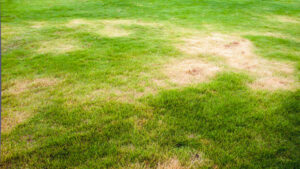
A lot of Bucks and Montgomery County lawns look rough after winter. You might see patchy grass, gray spots from snow mold, or bare strips where plows and salt tore things up. It is normal, but it can be frustrating when you want a thick, green yard again.
Spring fertilizer can help, but timing matters more than how much product you put down. Our common cool-season grasses, like Kentucky bluegrass, ryegrass, and fescue, do not wake up overnight. They come out of dormancy in stages, and your fertilizer plan should match those stages. When you understand the difference between early spring and late spring fertilization, and when it is better to skip an application, you avoid burning the lawn, wasting money, and feeding weeds instead of grass.
At Jamison Lawn Care, we build lawn programs around local soil, weather, and turf, not a generic national schedule on the back of a bag. Let us walk through how to read your yard and time spring fertilizer the smart way in our area.
How to Read Your Bucks County Lawn in Early Spring
In March and early April, our area usually goes through a lot of freeze and thaw. Mornings can be icy, afternoons soft and muddy. Some spots stay soggy, while others near driveways dry out and harden from salt and plow traffic. The soil can be compacted, and the grass often looks flat and tired.
Instead of staring at the calendar, look for signs that your lawn is truly waking up. Key signs include:
- Grass blades starting to green up from the base, not just random patches
- Soil no longer frozen, even a few inches down
- You can push a screwdriver into the soil without extreme effort
- You have needed to mow at least once because growth picked up
If you still see mostly tan or gray turf, the soil feels like a rock, and you have not mowed yet, your lawn is still half asleep. Throwing a heavy fertilizer on it at that stage does not speed things up; it just sits there or runs off.
That is why we tell homeowners not to trust a fixed date like “fertilize on April 1.” Some springs warm up early; others stay cold and wet. Watching soil conditions, lawn color, and growth will give you a much better guide than the calendar alone.
Smart Early Spring Fertilizer: Protect, Do Not Overfeed
For most Bucks County and Montgomery County yards, late March through mid-April is what we would call early spring. The goal in this window is to protect and prepare your lawn, not to push fast top growth.
A smart early spring treatment usually focuses on:
- A lighter, balanced fertilizer with moderate nitrogen
- Pre-emergent crabgrass control, especially along driveways, walks, and street edges
- Supporting recovery from salt, plow damage, and winter disease
Crabgrass loves hot, compacted, salty areas. If you skip pre-emergent in early spring, you are often fighting a losing battle all summer. The timing is key; you want the product in place before crabgrass seeds sprout as the soil warms.
What you do not want is a heavy shot of nitrogen too early. That can cause:
- Fast, weak leaf growth with shallow roots
- More chance of lawn diseases when the weather turns warm and humid
- Thatch build-up that makes water and nutrients harder to reach the roots later
A professional lawn fertilization service in Bucks County can choose the right early spring formulation and rate for each yard. We look at soil tests, sun and shade patterns, and any weed or disease issues from the previous year before deciding how much to feed and what to use.
Late Spring Feeding That Builds Summer Resilience
Late spring in our area usually runs from late April into late May. By then, the soil has warmed, grass is actively growing, and daytime temperatures stay mild more often than not. This is the time to build strength, not just color.
The goals in late spring shift a bit:
- Thicken the turf so it can crowd out weeds
- Build deeper, stronger roots before summer heat hits
- Prepare the lawn for foot traffic from kids, pets, and outdoor gatherings
A slow-release, turf-friendly fertilizer is ideal in this window. It feeds the lawn steadily, instead of all at once, so you do not get a huge growth flush that needs constant mowing. With the right product and rate, your lawn can stay dense, even, and healthy without turning into a weekly chore you dread.
Late spring is also a good time to pair fertilization with targeted weed controls. Many yards in Bucks and Montgomery County fight dandelions, clover, and other broadleaf weeds. Pros can time those weed treatments around weather and mowing, so they stick to the leaves and work well without stressing the grass.
When to Skip or Adjust Spring Fertilizer Altogether
There are times when the best spring lawn decision is to hold back, not to add more. Certain situations call for delaying, reducing, or skipping fertilizer.
You may want to adjust or skip if:
- You have a newly seeded lawn; heavy fertilizer or pre-emergent can harm seedlings
- Your lawn is coming out of winter with major disease or damage that needs repair first
- The property got a strong late fall feeding, so spring nutrients are still carrying over
- You recently installed new sod, and it needs time to root in before strong feeding
Local yard issues can also change the plan. In parts of Bucks and Montgomery County with drainage problems, low spots may stay wet long after the rest of the yard dries out. Heavy equipment, construction, or renovation work can compact soil or damage existing turf. In those cases, a one-size-fits-all program might do more harm than good.
Weather can be another reason to hit pause. It is often better to wait if:
- The ground is saturated from recent storms
- A heavy rain is in the forecast that could wash product away
- A stretch of hard frost is still possible
A local lawn fertilization service in Bucks County can look at the whole picture and decide whether to adjust rates, switch products, or skip a round to protect your lawn’s long-term health instead of just checking off a visit.
Your Next Step to a Healthy Bucks County Lawn This Spring
The key idea is simple: Early spring treatments should be gentle and protective, with a big focus on crabgrass prevention and recovery from winter. Late spring feedings should be targeted and strengthening, aimed at building roots and thickening turf for the hot months ahead. And sometimes, the smartest move is to adjust or skip an application when conditions are not right.
As we move through spring, take a slow walk around your yard. Look at color, thickness, and bare spots. Think about how often you have mowed so far and what the weather has been like. Those signs tell you far more than a date on a bag. When you are ready for expert eyes on your lawn, Jamison Lawn Care can provide a spring evaluation and a custom fertilization and weed control plan built for your specific Bucks or Montgomery County property.
Get Started With Your Project Today
If you are ready for a healthier, greener lawn, our team is here to help with professional care tailored to your property. Learn more about our proven approach and schedule your lawn fertilization service in Bucks County with Jamison Lawn Care today. Have questions or need a customized plan for your yard, simply contact us and we will walk you through the next steps.